My knowledge of Taiwan was limited to childhood memories of TV commercials proudly declaring that the latest gadgets were ‘made in Taiwan’.
However, I anticipated the island would be a blend of Chinese and Japanese influence.
The trip around Taiwan was going to be a bit different since we couldn’t hire motorbikes. I didn’t get my international driver’s license before leaving the UK (didn’t know they still existed, to be honest). So, we were going to rely on tours and public transport.
Nevertheless, with its renowned train system, we embarked on our adventure!
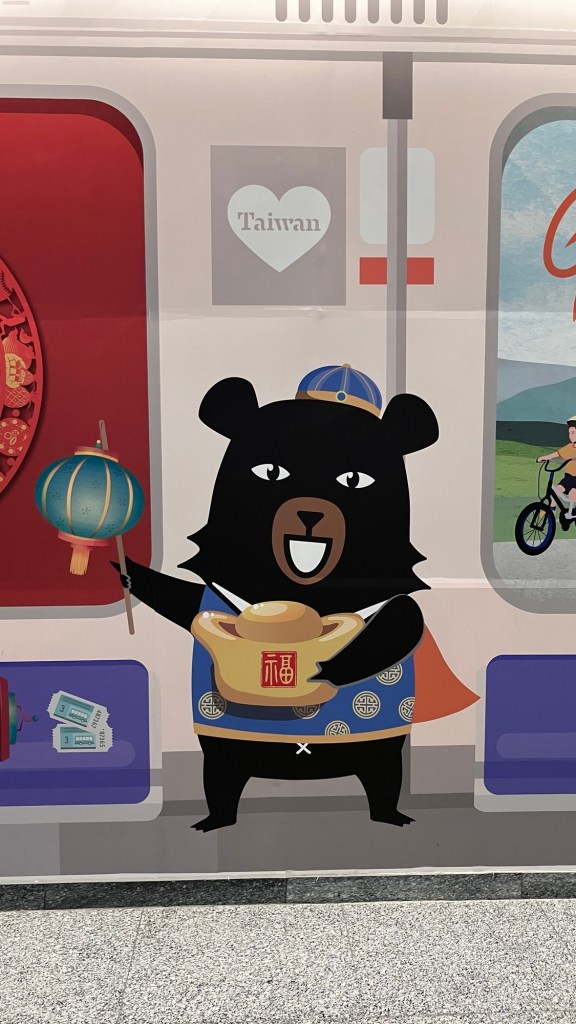
We landed in Taipei, the capital, greeted by a sudden change in weather—cool and wet.
Navigating the city’s public transport proved challenging at first, but a kind local stepped in to assist, even covering our bus fare.
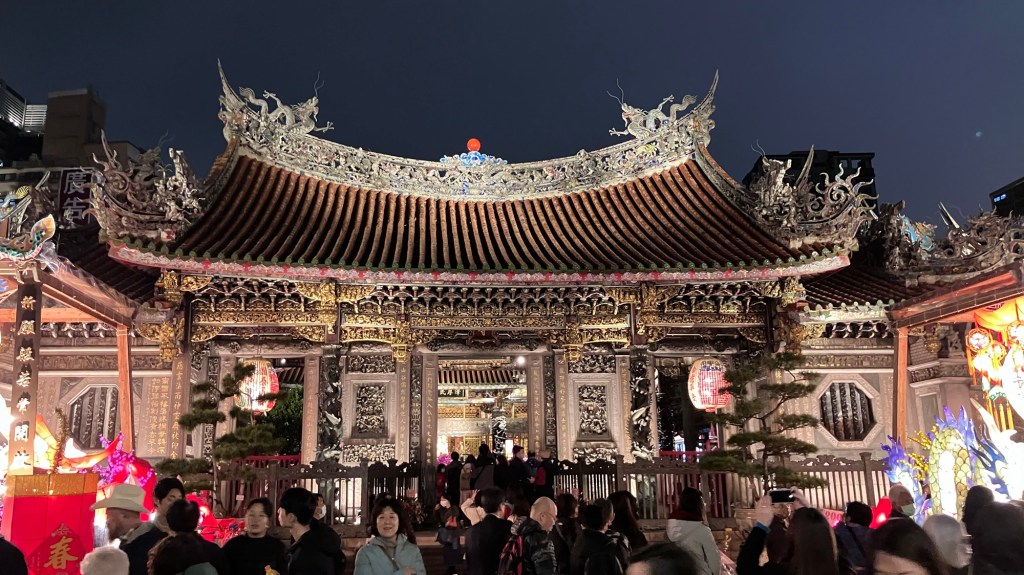
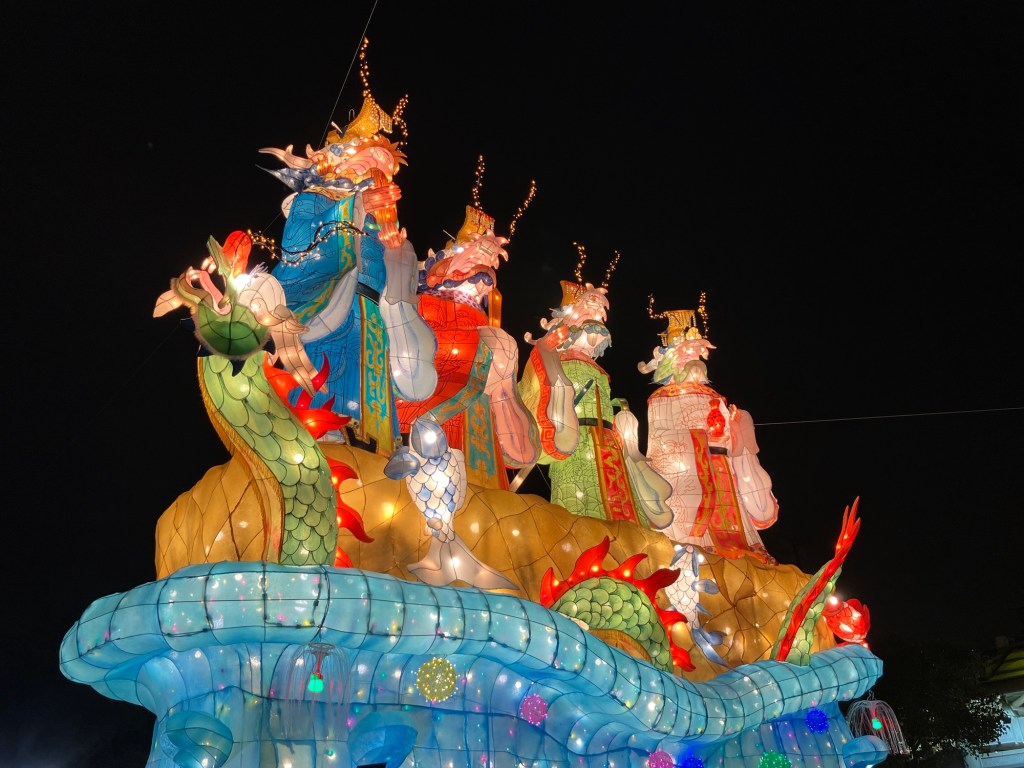
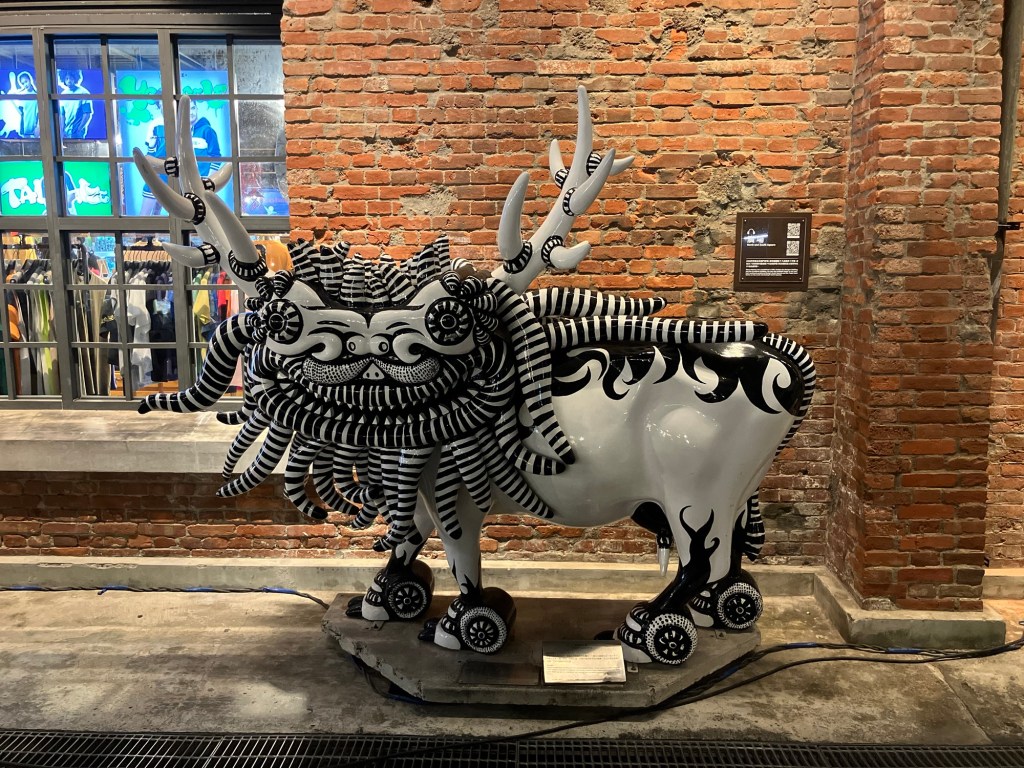
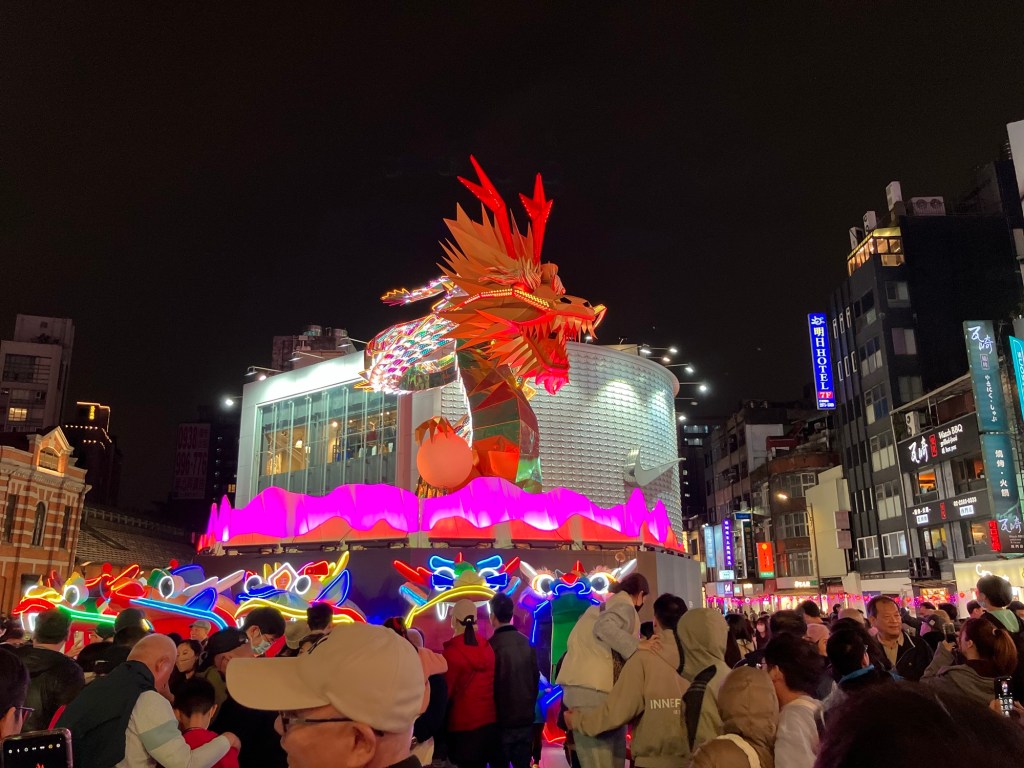
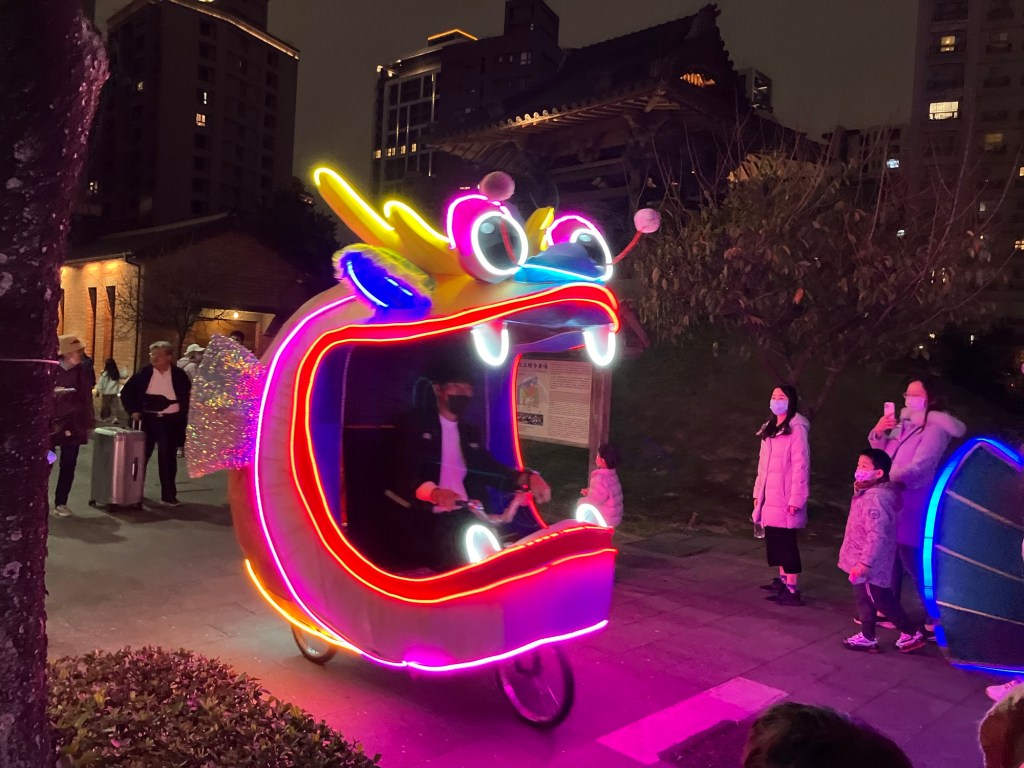
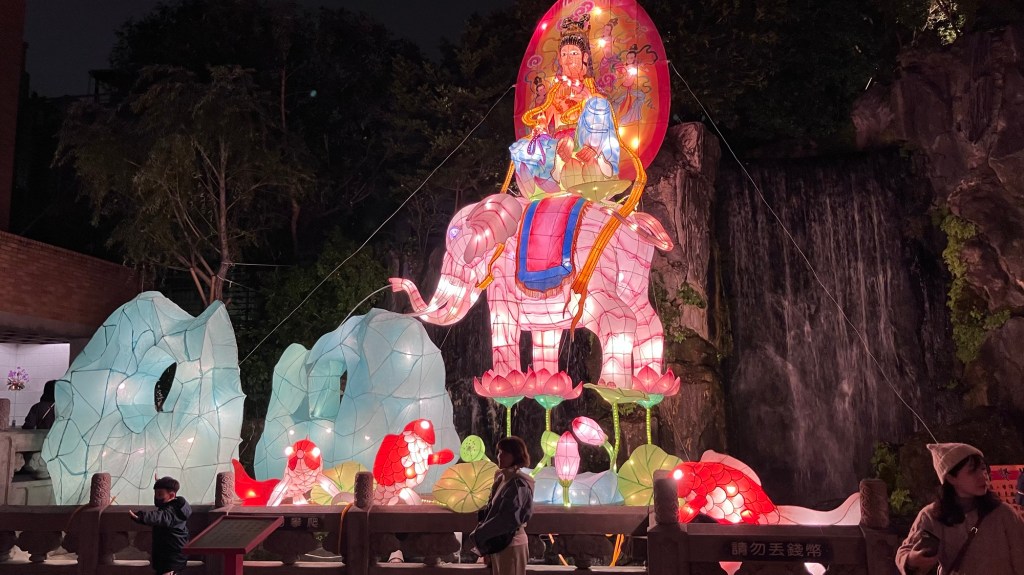
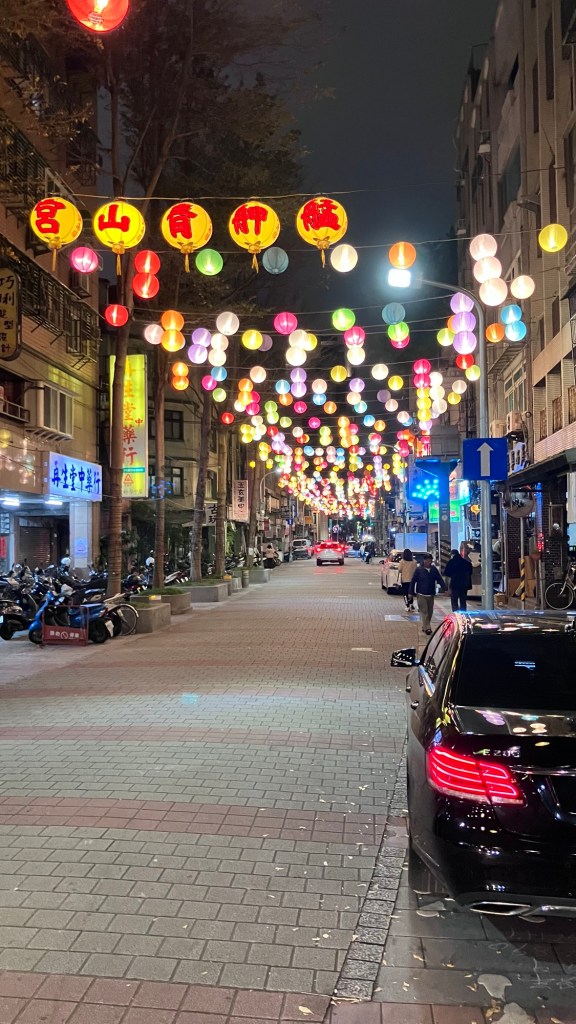
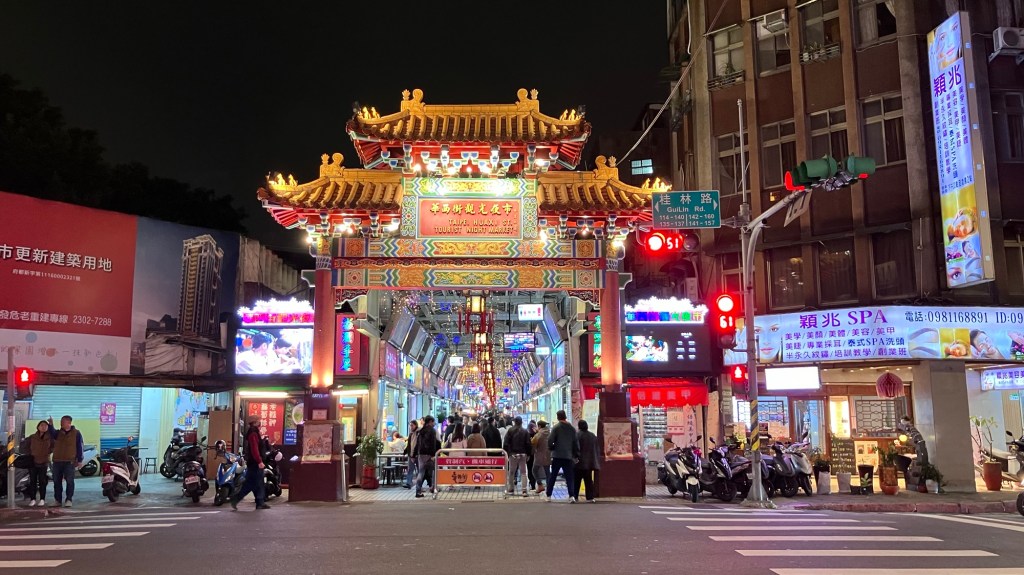
Equipped with travel cards for buses and trains, we found it to be an economical and convenient way to explore the city. With only a few days in the city, our focus was on immersing ourselves in Taipei’s urban charm.
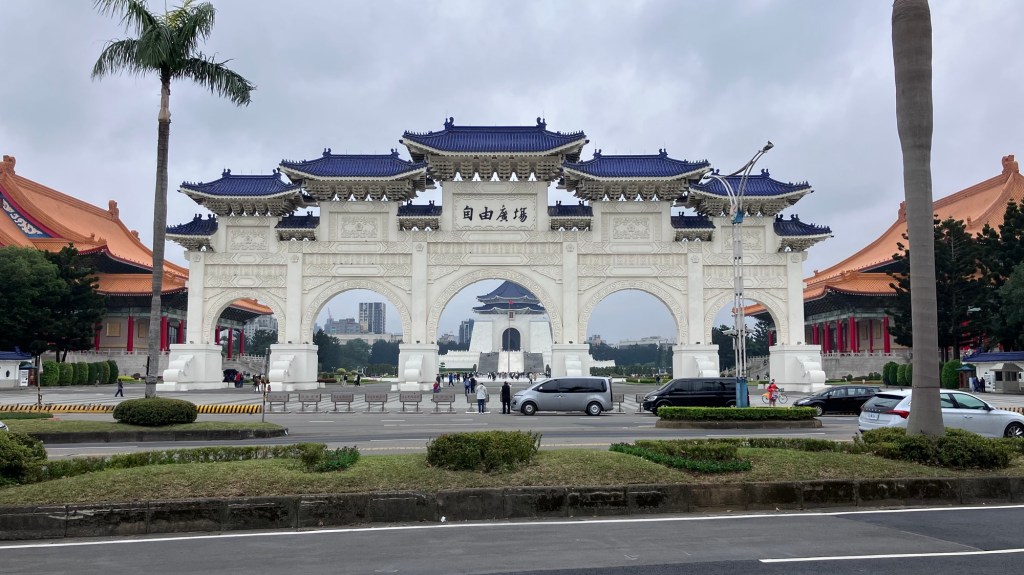
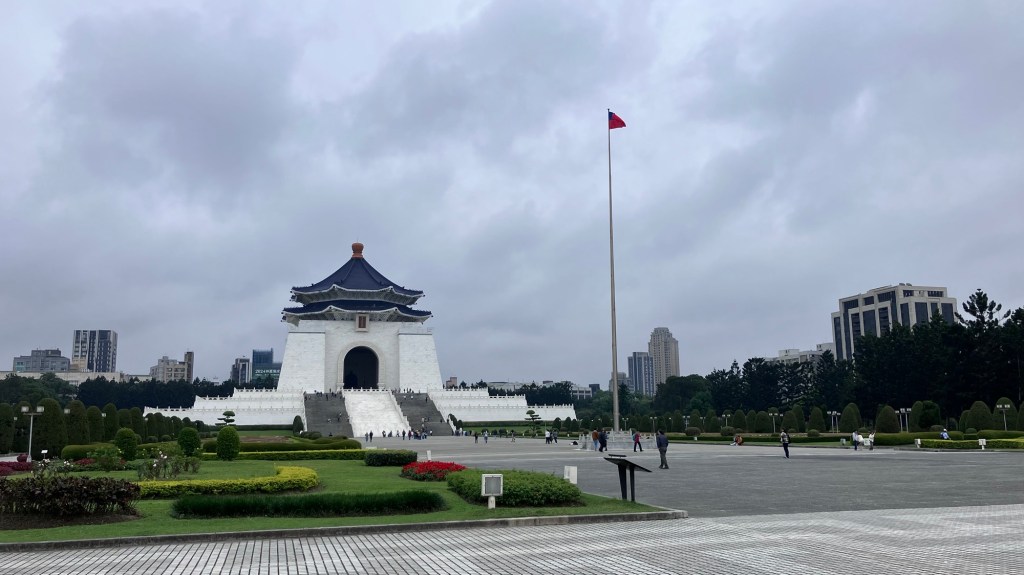
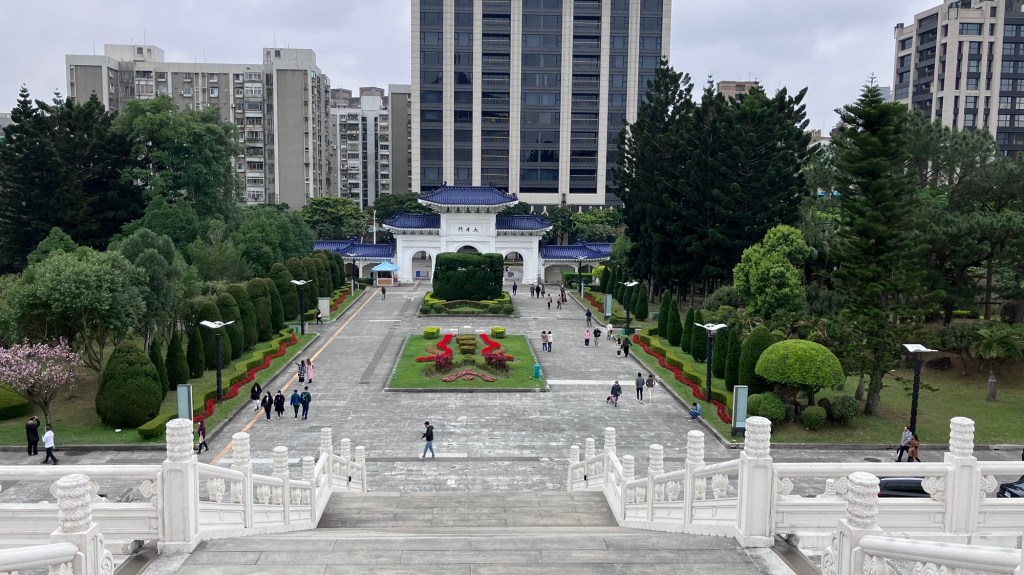

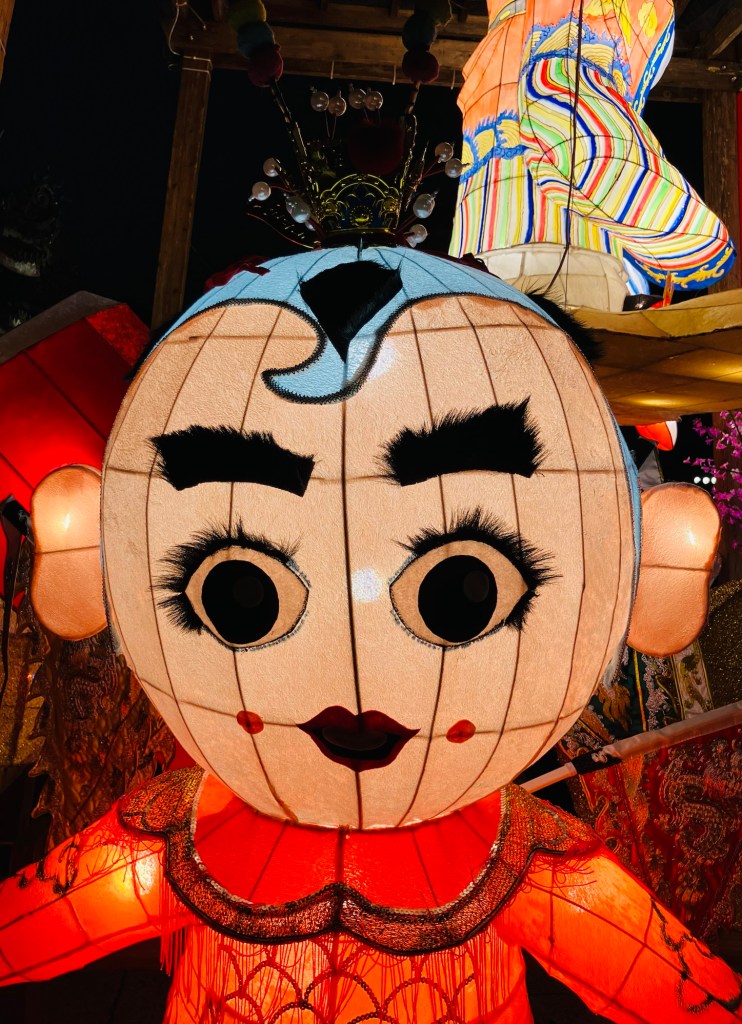
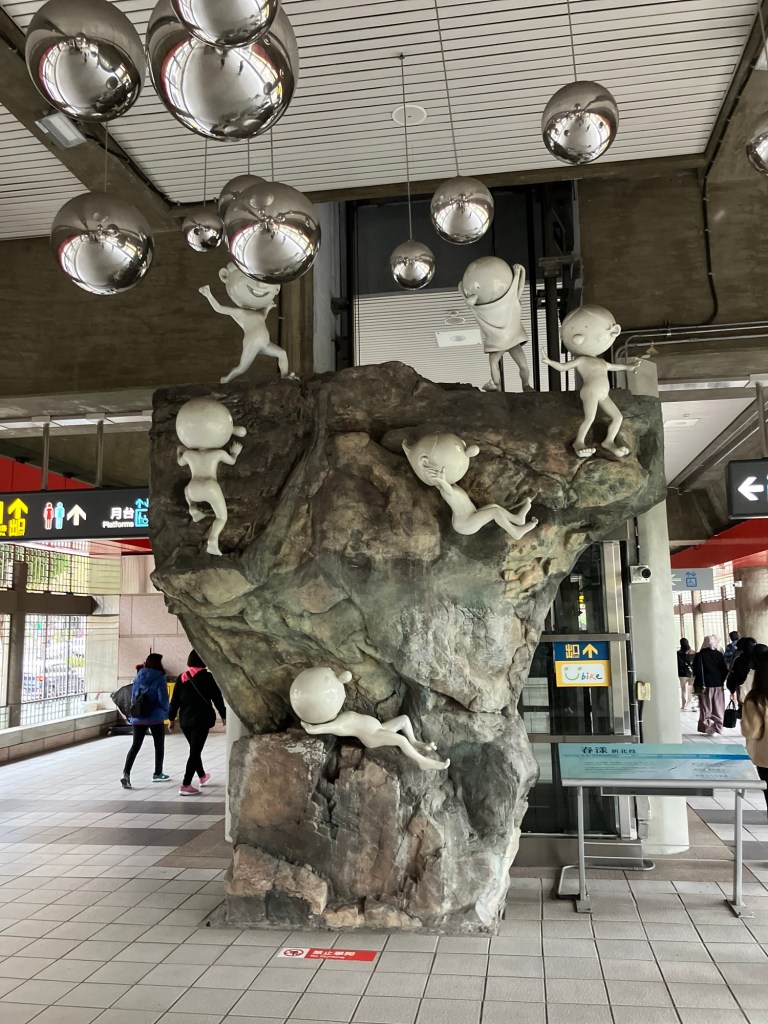
We planned to follow the coastline for our journey, and fortunately, the train route aligned with our itinerary, making travel between destinations more convenient. Our initial stop? An overnight stay in the mountain town of Jiufen.
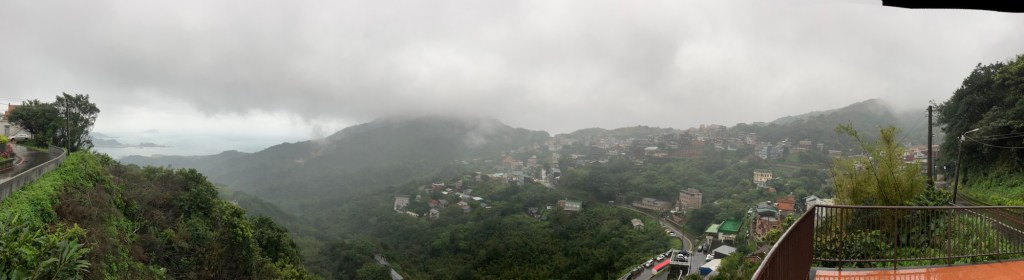
Upon our arrival, we were greeted with appalling weather—rain poured relentlessly, complicating the search for our accommodation amidst the labyrinthine of streets in the town center.
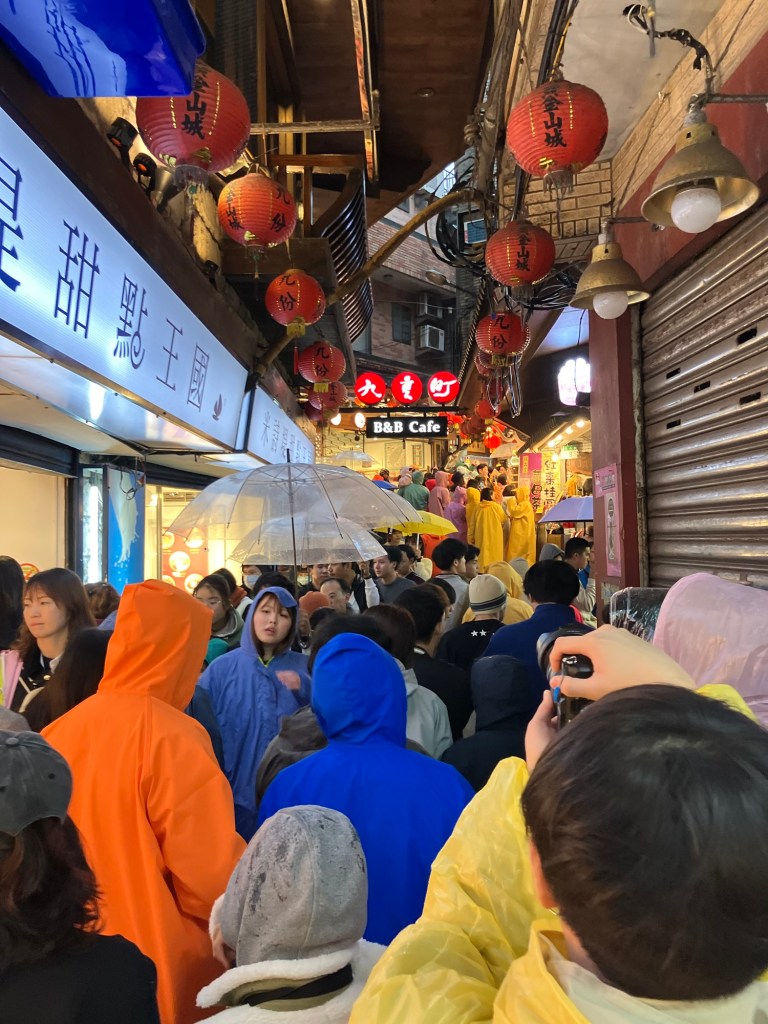
Nevertheless, once settled in, we ventured back out, joining the throng of day-trippers, eager to explore the picturesque hillside surroundings.
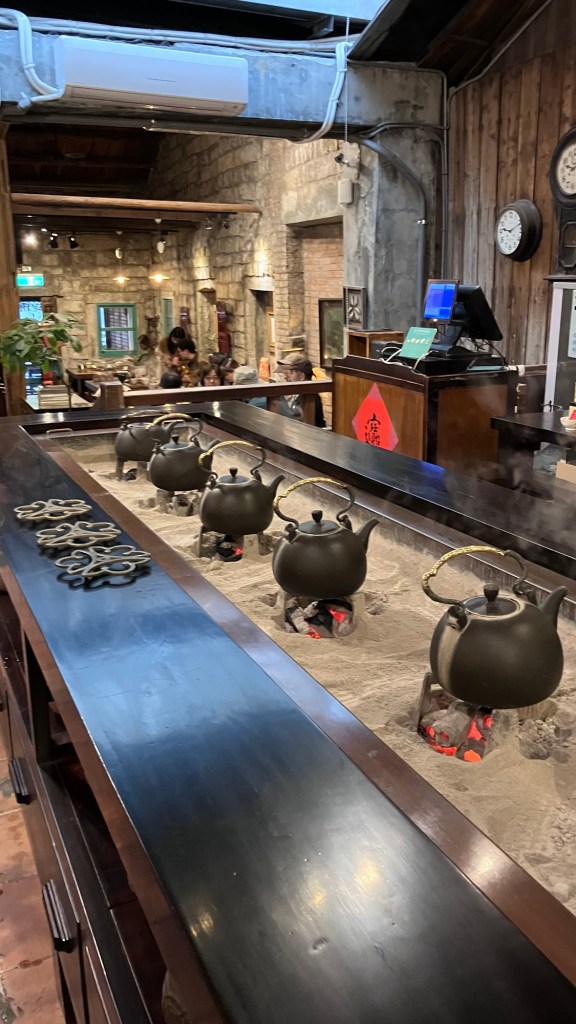
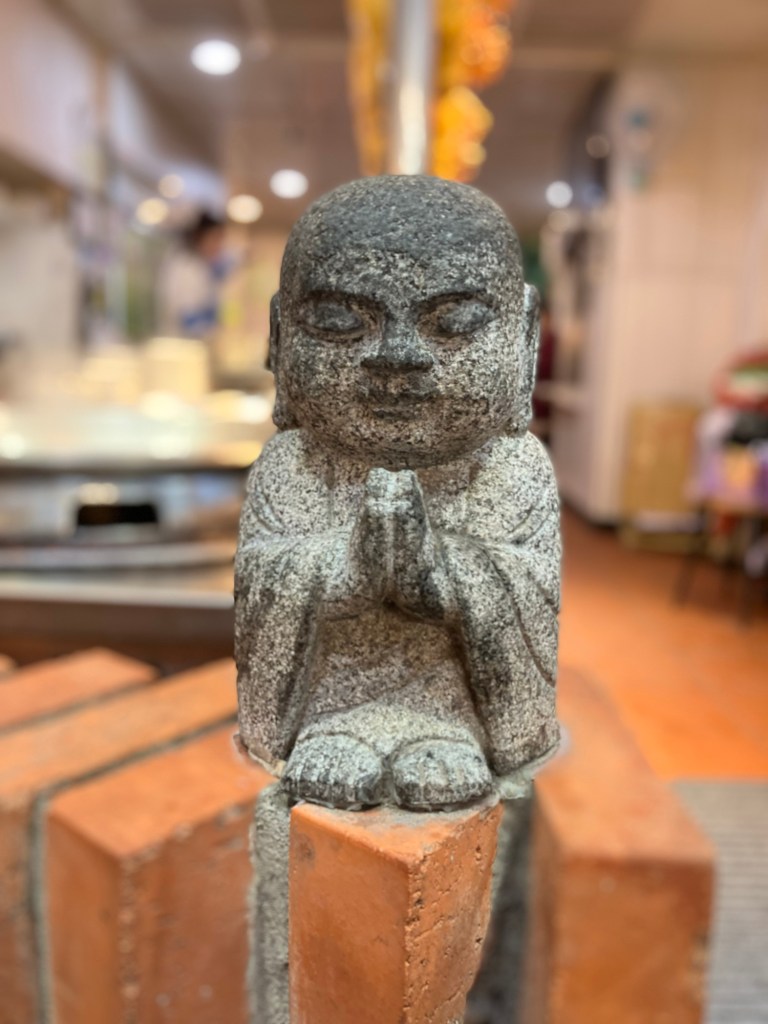
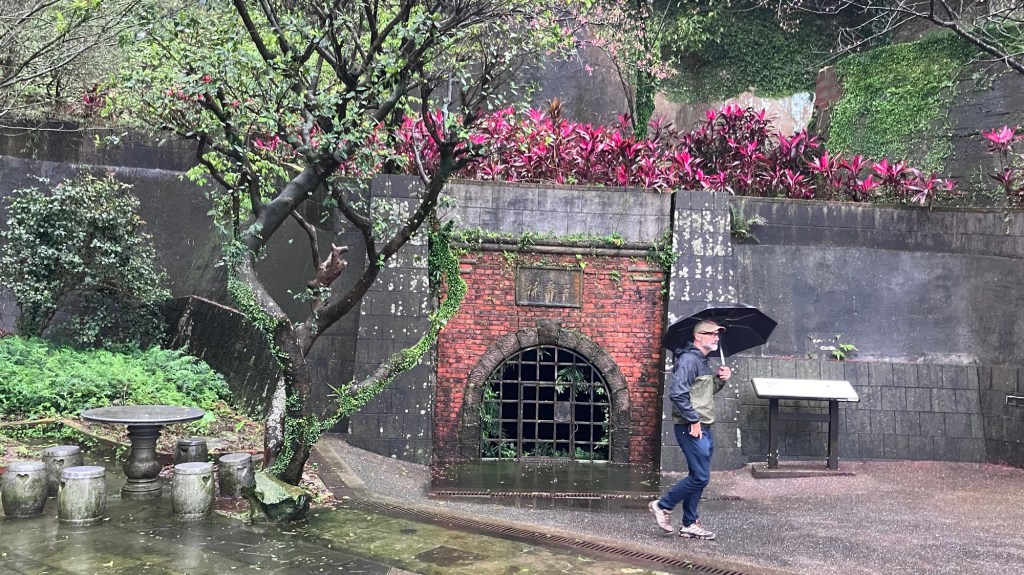
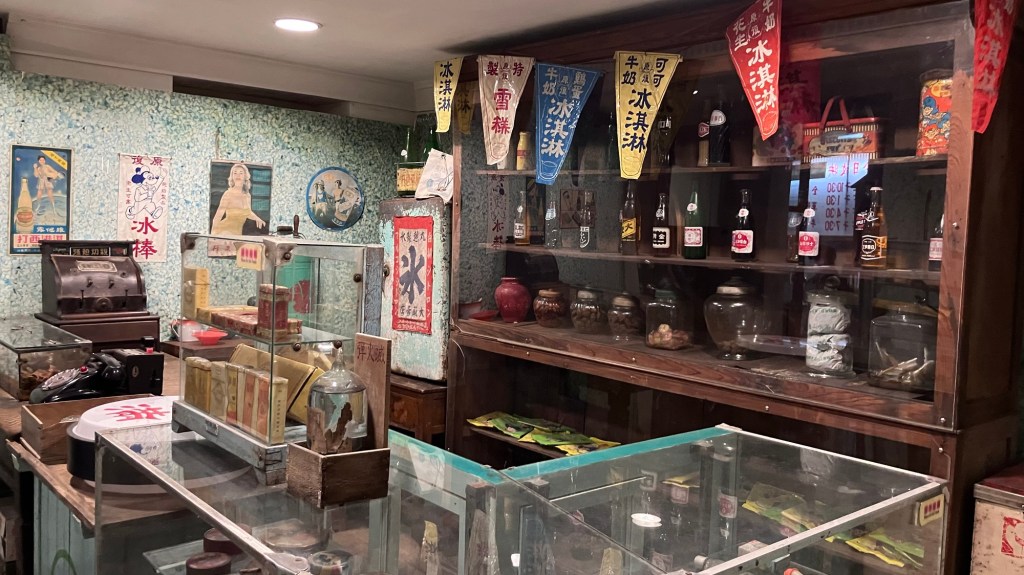
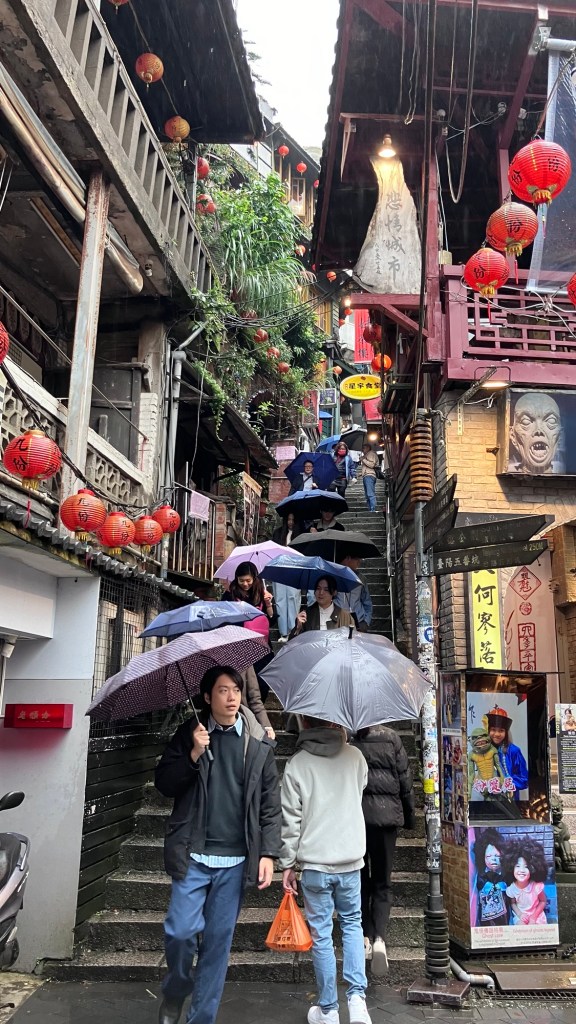
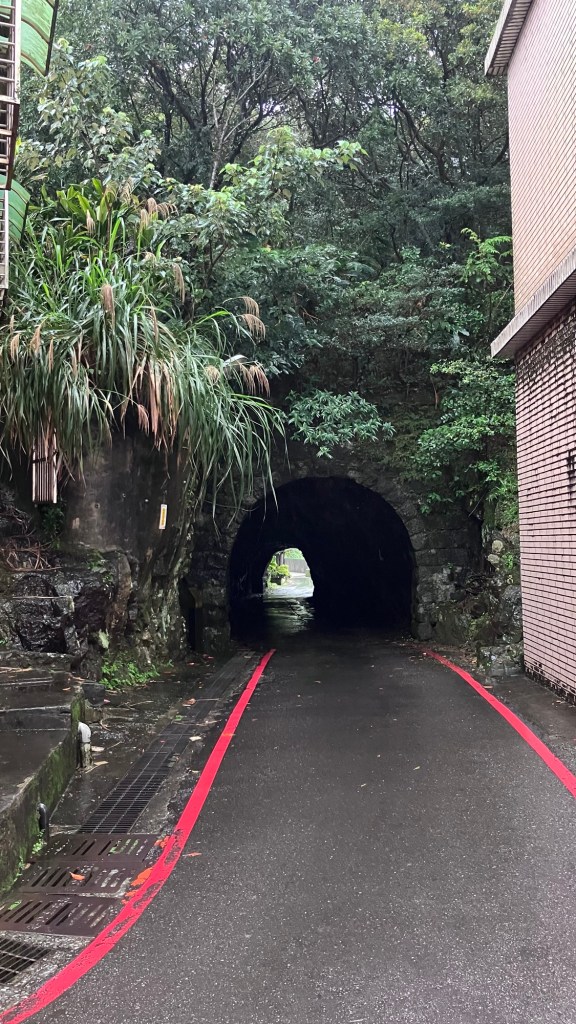
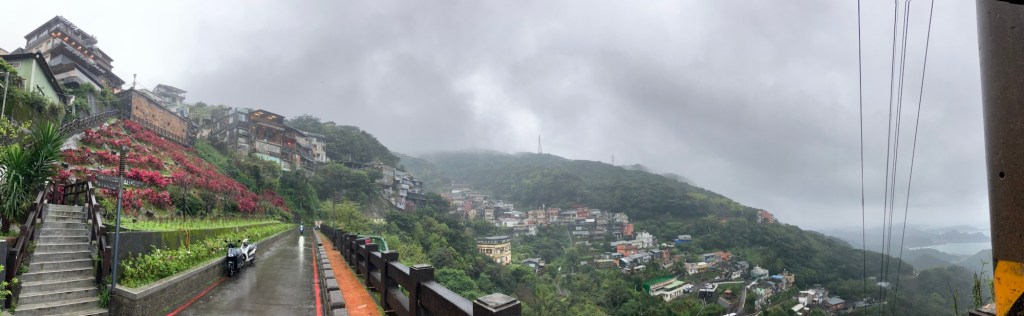
We even managed to squeeze in a cheeky cocktail!
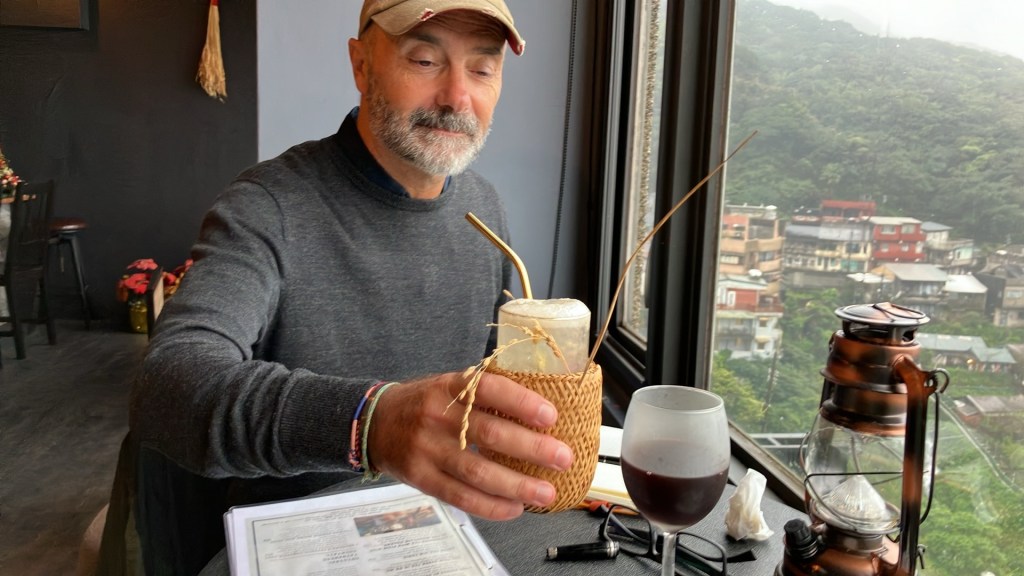
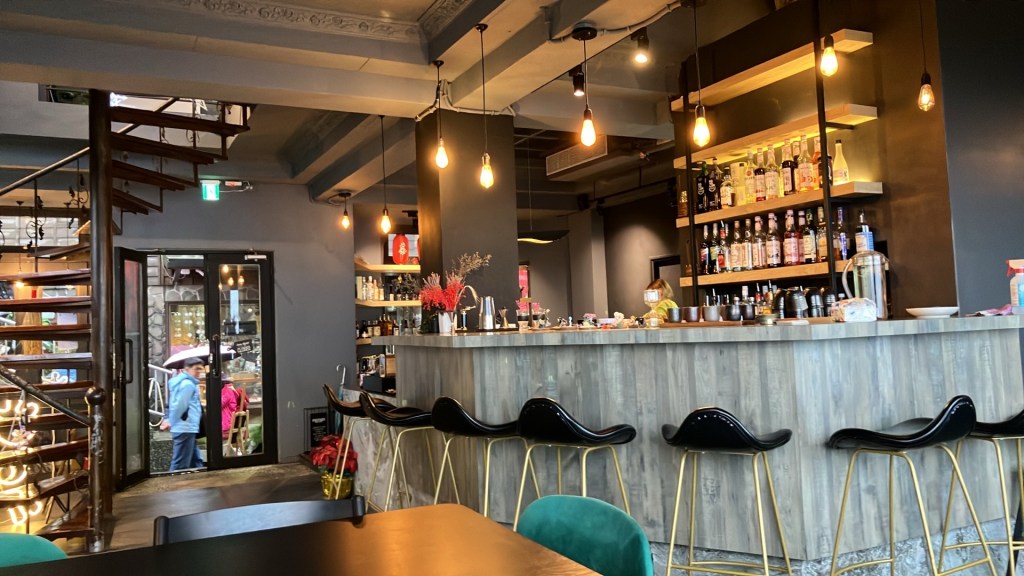
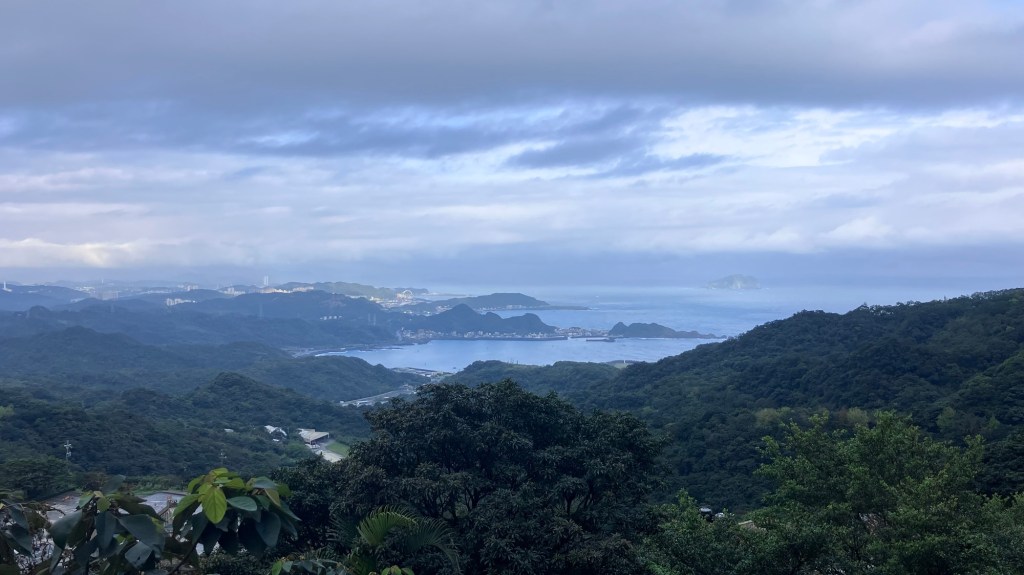
Fortunately, the rain began to taper off and it was a pleasant surprise when the clouds cleared, revealing our proximity to the coastline.
The next morning, we hopped back on the train headed for Jiaoxi. I was excited about the hot springs there, especially after the cold mountain weather. We’ve been to hot springs in Asia before, where it’s common to have separate pools for men and women, and nudity is the norm. It was the same here, and though it felt a bit awkward, it was a great experience. Thankfully, no cameras were allowed, so there are no photos to worry about!
The town itself wasn’t particularly exciting, but we had another encounter that showed the kindness of Taiwanese people.
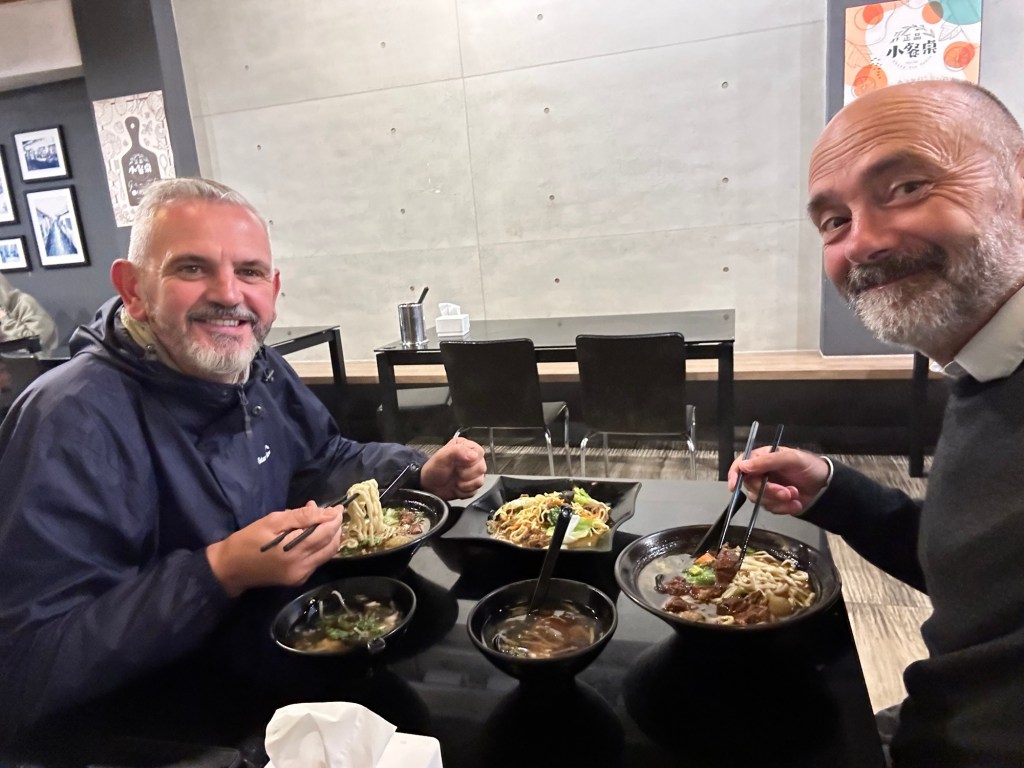
We’d stepped into a busy café for lunch, where locals were enjoying their meals and chatting away.
Due to the language barrier and the Chinese-only menu, we’d tried to communicate with the waitress without much success.
Thankfully, a kind young man offered to help, and we gladly accepted.
After we placed our order and settled at a table, the same man approached us again and said, “Enjoy your lunch, I’ve taken care of the bill,” before smiling and leaving.
Feeling rejuvenated from the hot springs and the unexpected act of generosity, we moved on to our next destination.
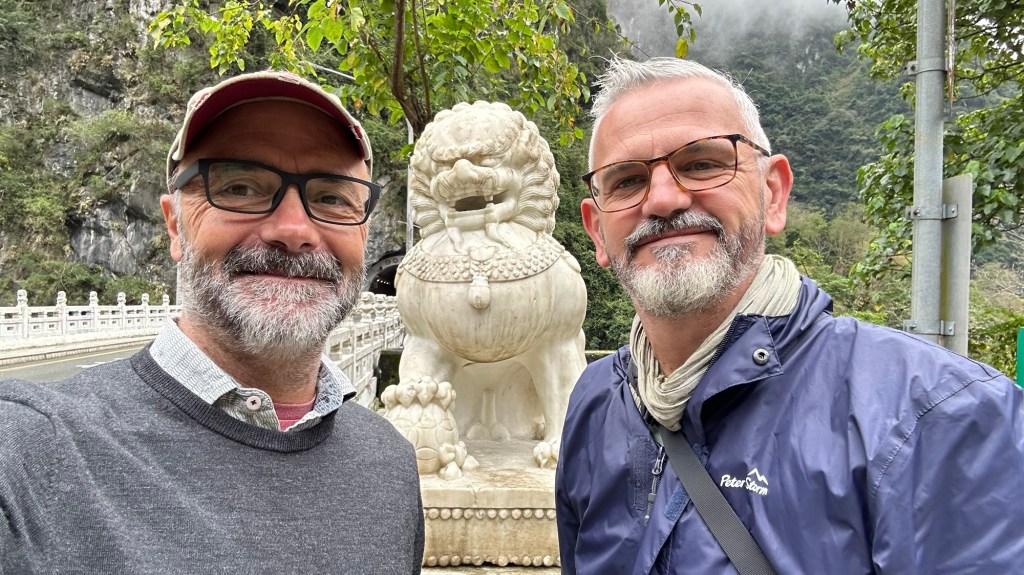
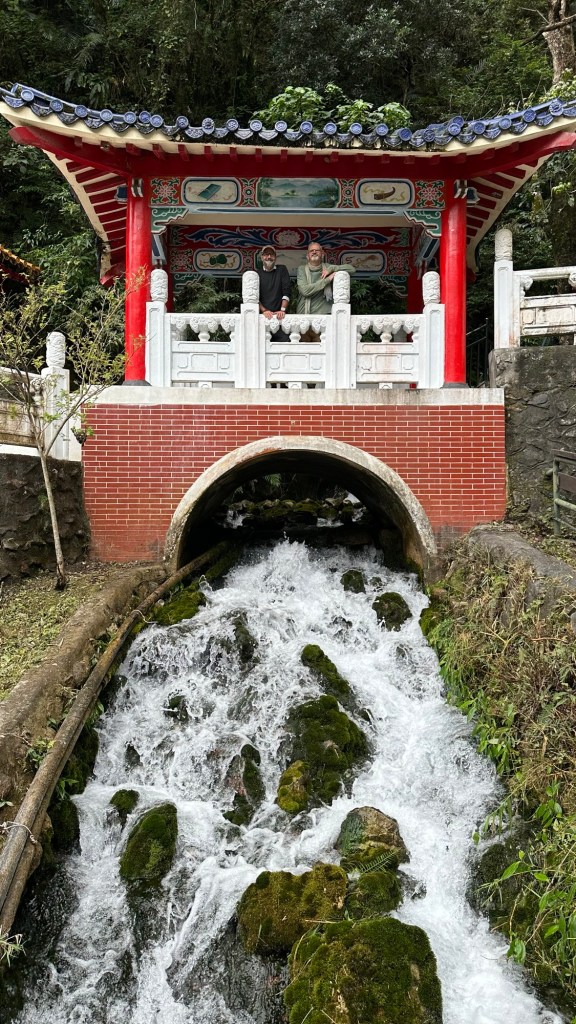
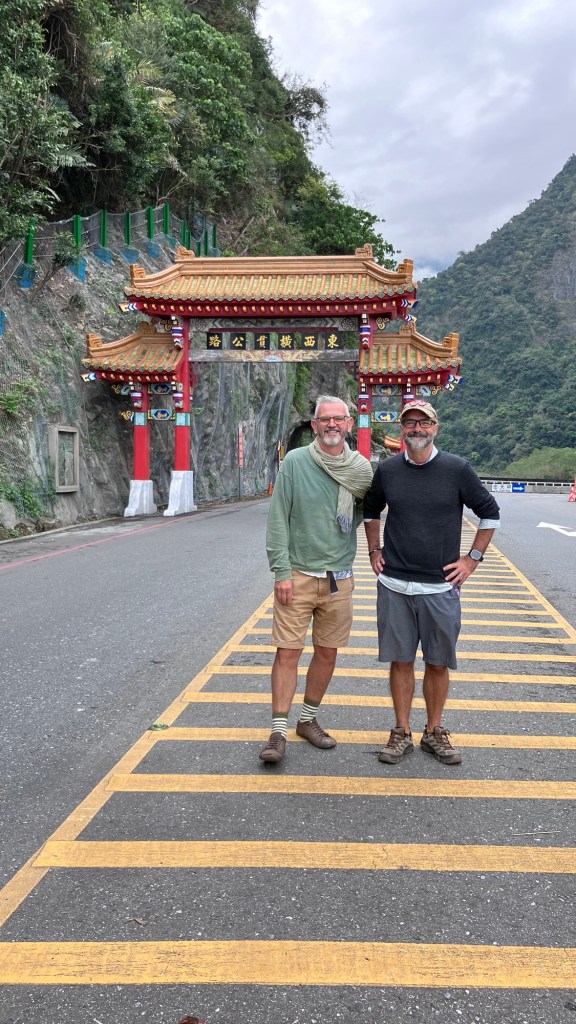
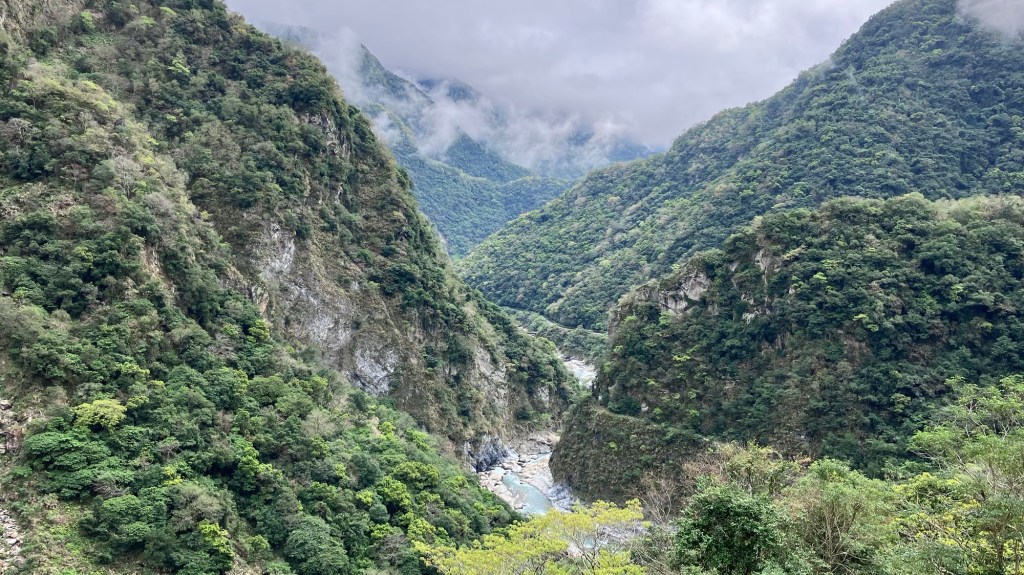
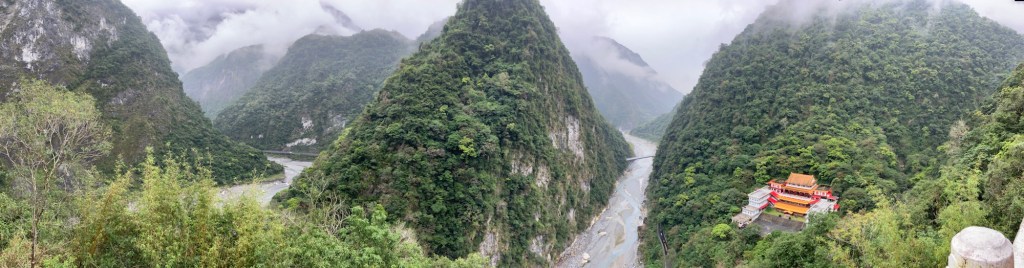
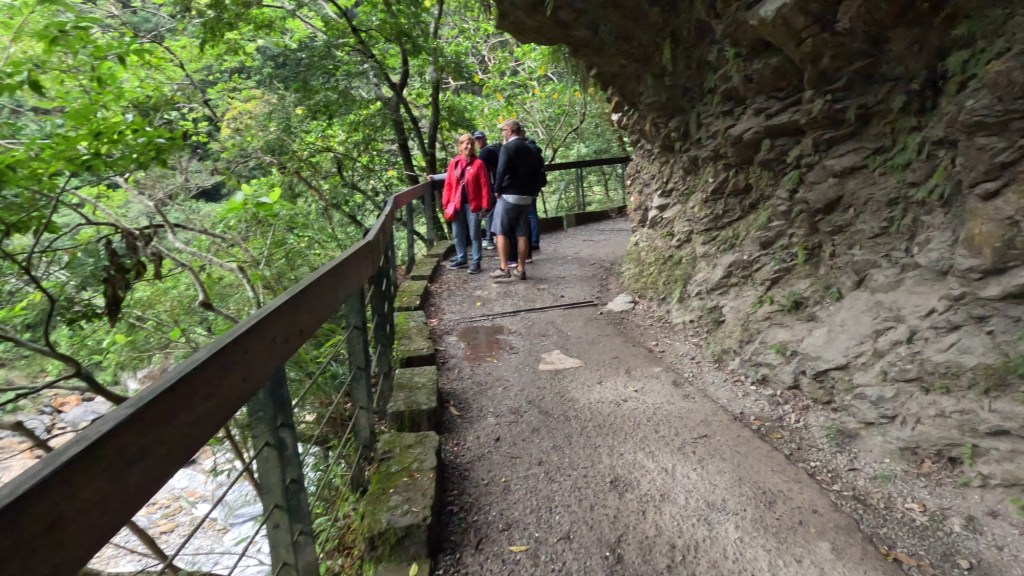
Our next stop was Hualien, serving as a gateway for a day tour to one of Taiwan’s main attractions, Taroko Gorge. Compared to other Asian countries we’ve visited, both accommodation and tours in Taiwan come with a heftier price tag. The £80 per person for the tour was a considerable chunk of our budget, making us hesitate. But after weighing the options, we decided to go for it.
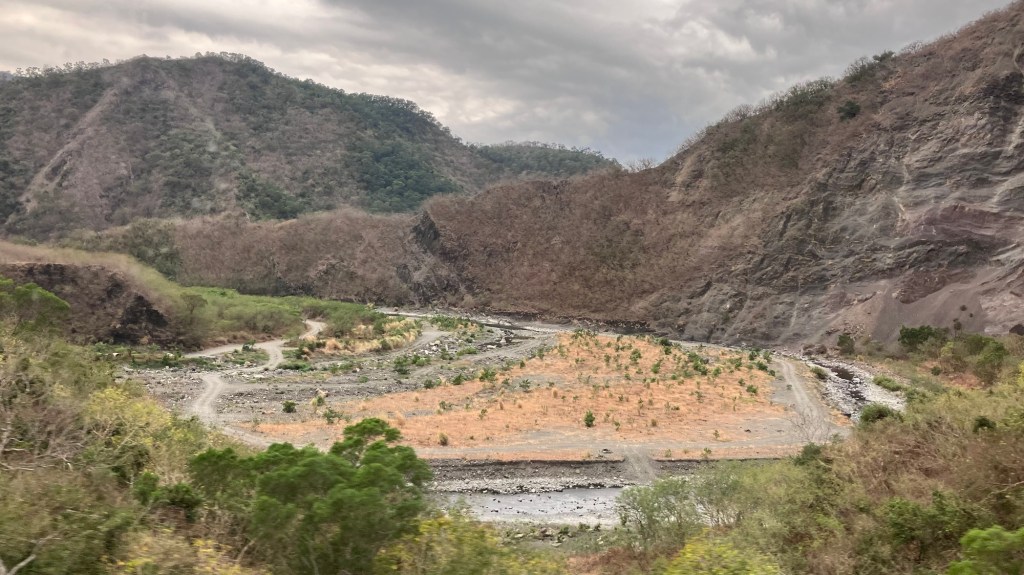
Despite the less-than-ideal weather, the gorge had an almost Jurassic feel, and the small group of just four others and the friendly guide made it a worthwhile experience.
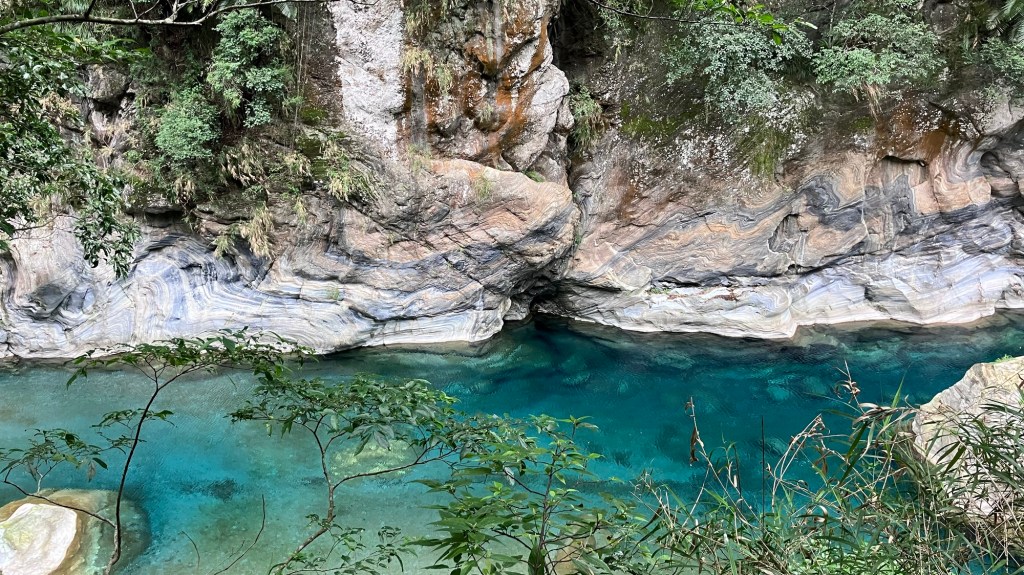
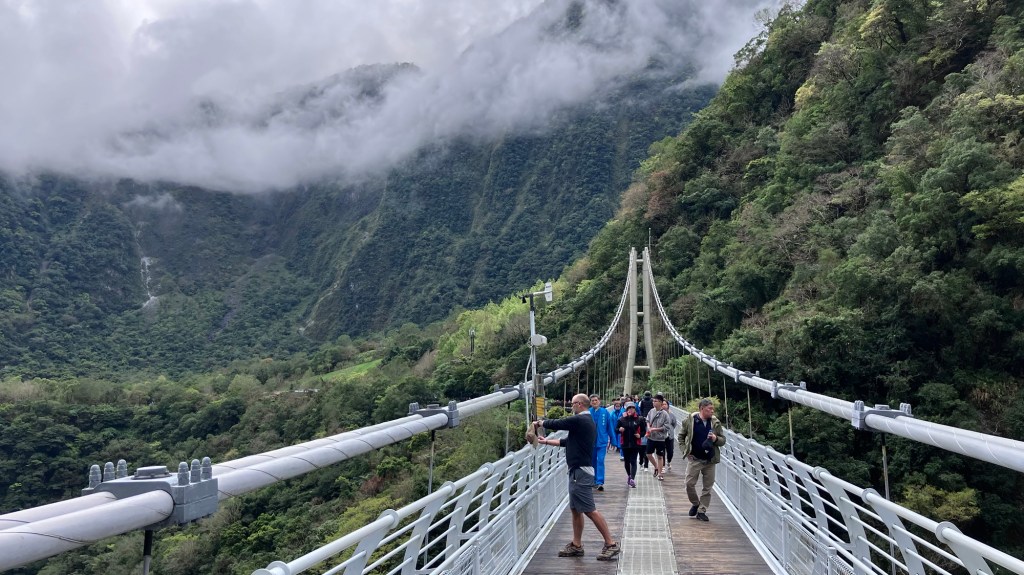
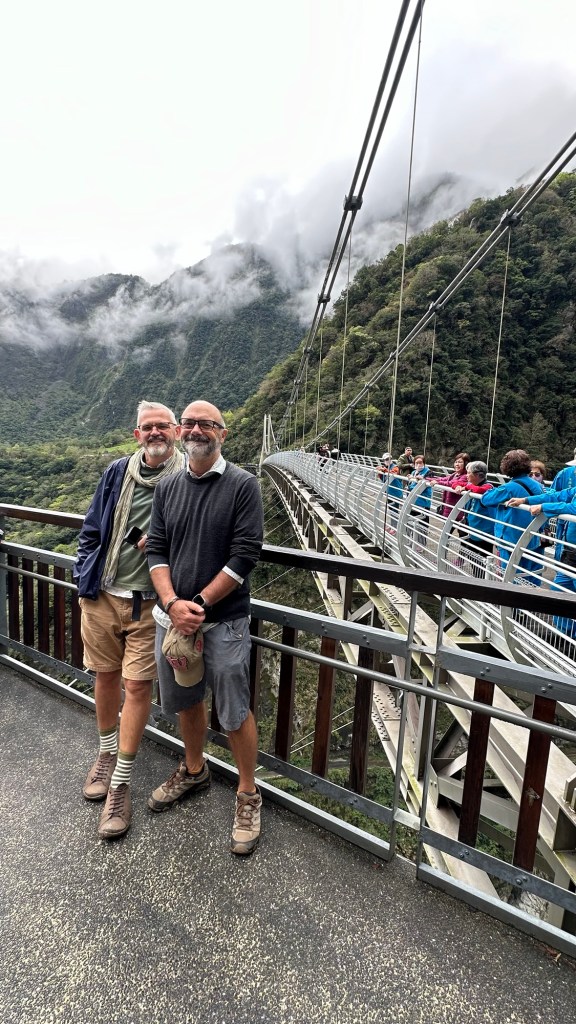
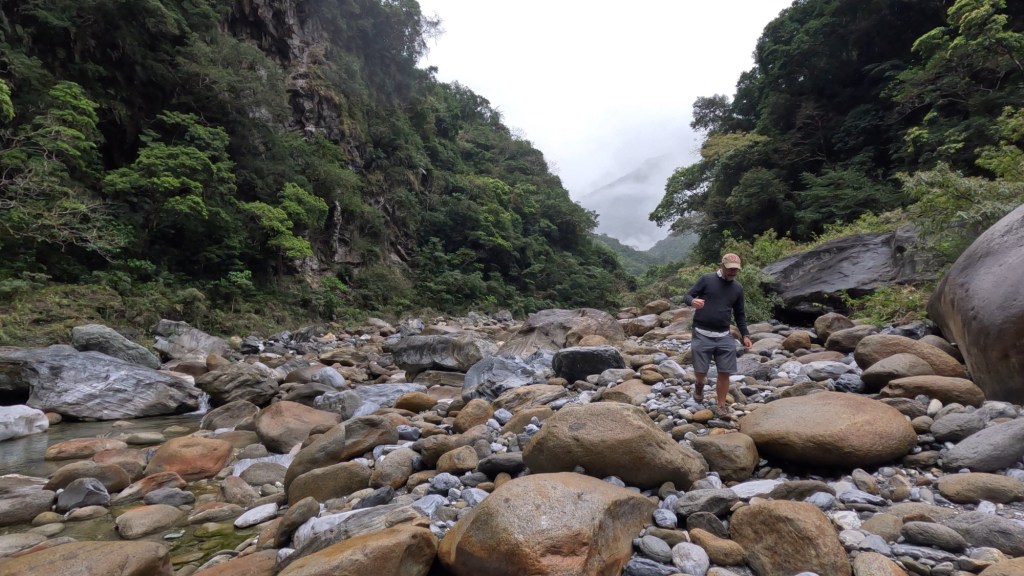
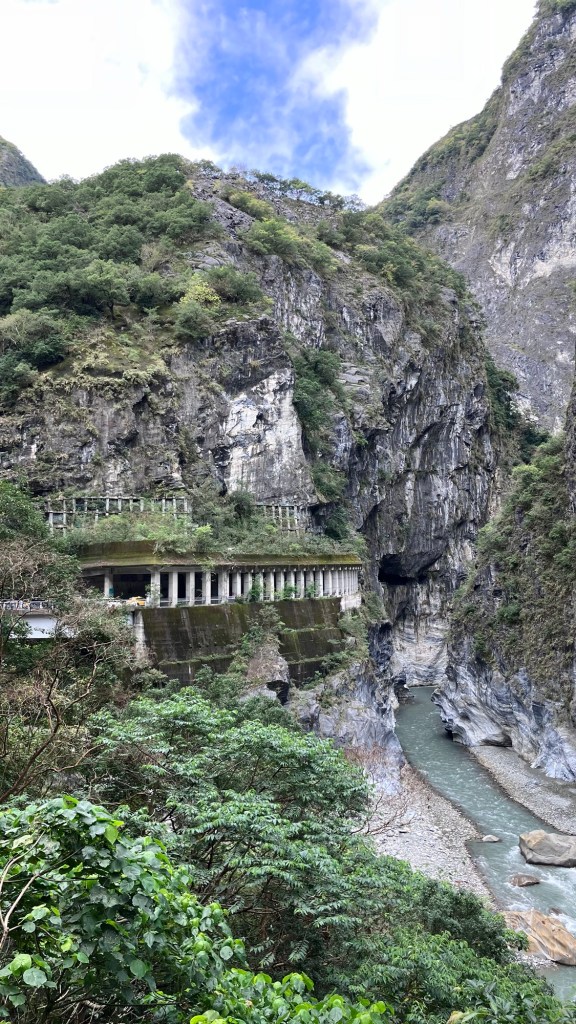
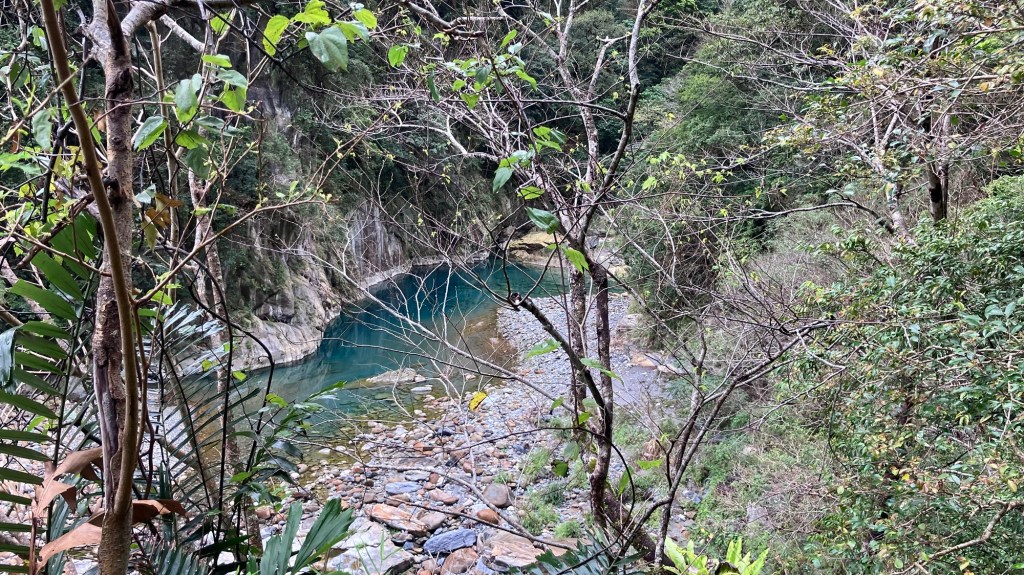
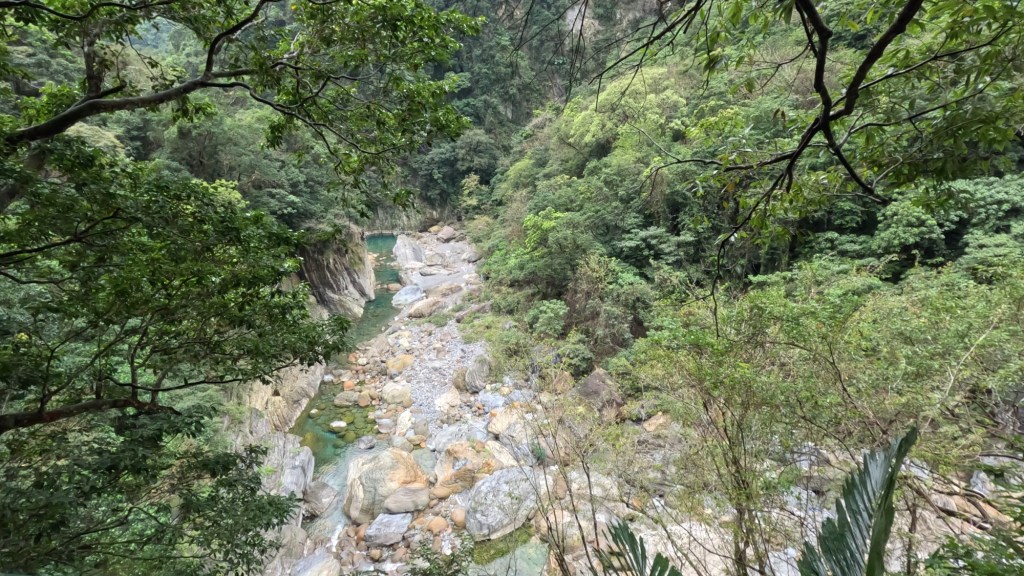
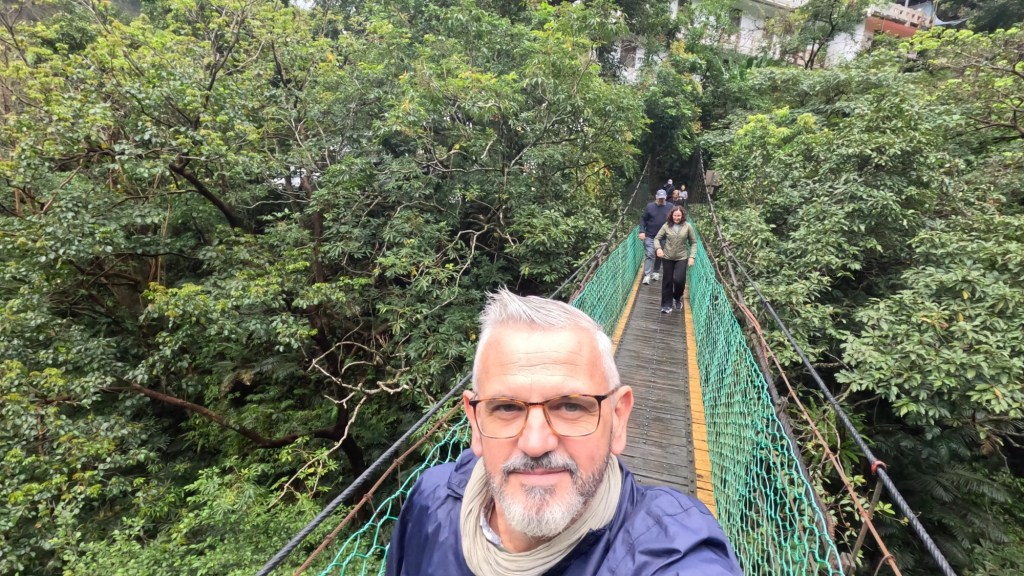
Islands have definitely been a highlight of this trip, and Taiwan was no exception.
Our next destination was Taitung, where we caught a ferry to Green Island, situated just off the southeast corner of Taiwan.
We were drawn to Green Island by its unique saltwater hot springs, one of only three in the world.
With it still being low season, we sought out local advice as many tourist facilities were either closed or operating with limited services, including the ferry.
However, this meant we had the advantage of exploring without the crowds of tourists that typically flock in from China and South Korea.
The ferry journey wasn’t without its challenges; we had to change boats due to the first one breaking down before departure, which left us feeling a bit uneasy.
The crossing itself was rougher than our journey to Con Dao. I spent the entire time with my eyes closed, trying to block out the sights, sounds, and smells of seasickness around me!
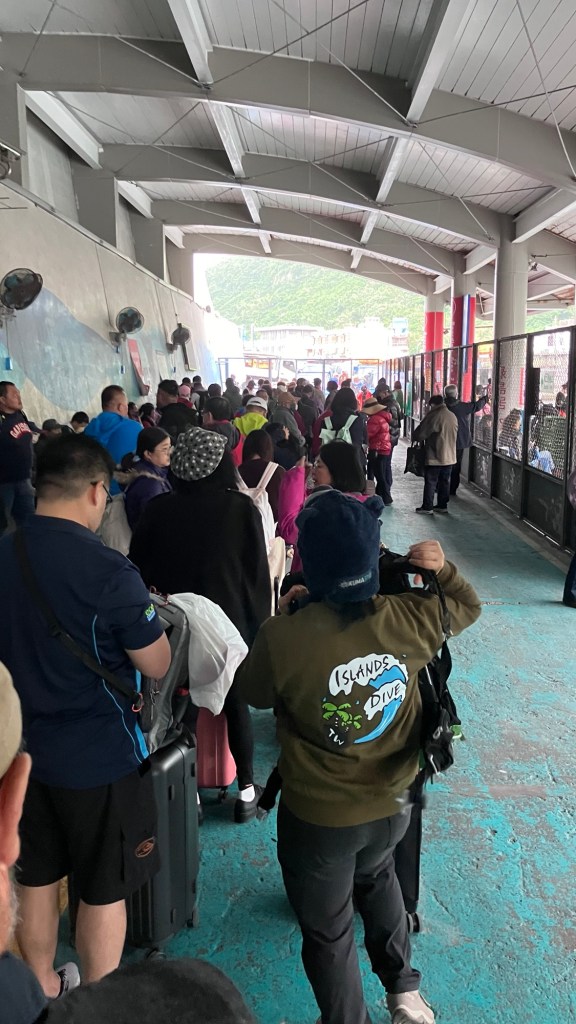
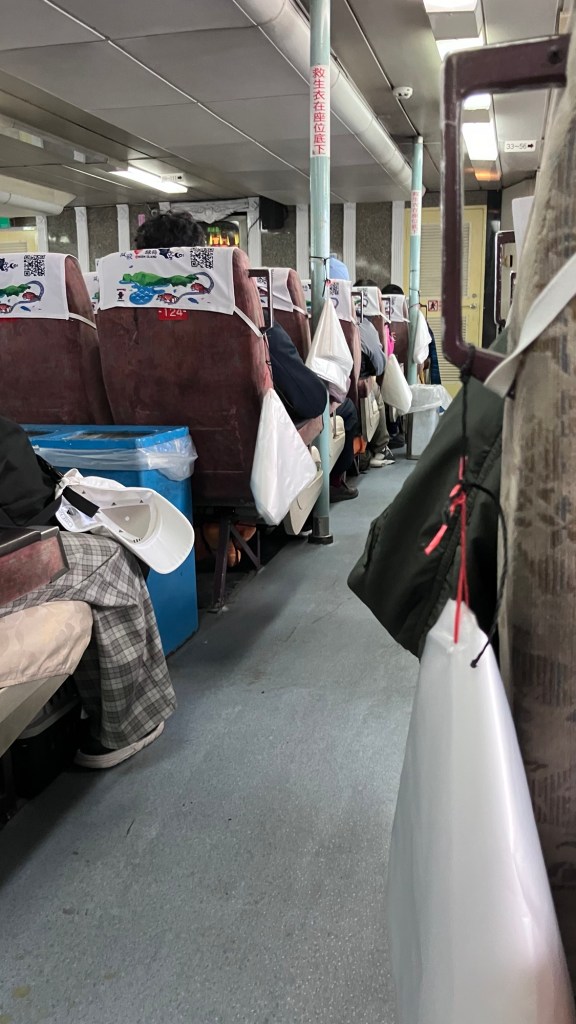
The weather that day though was unusually sunny and although we had been delayed for a couple of hours due to the breakdown we were treated with a great sunset
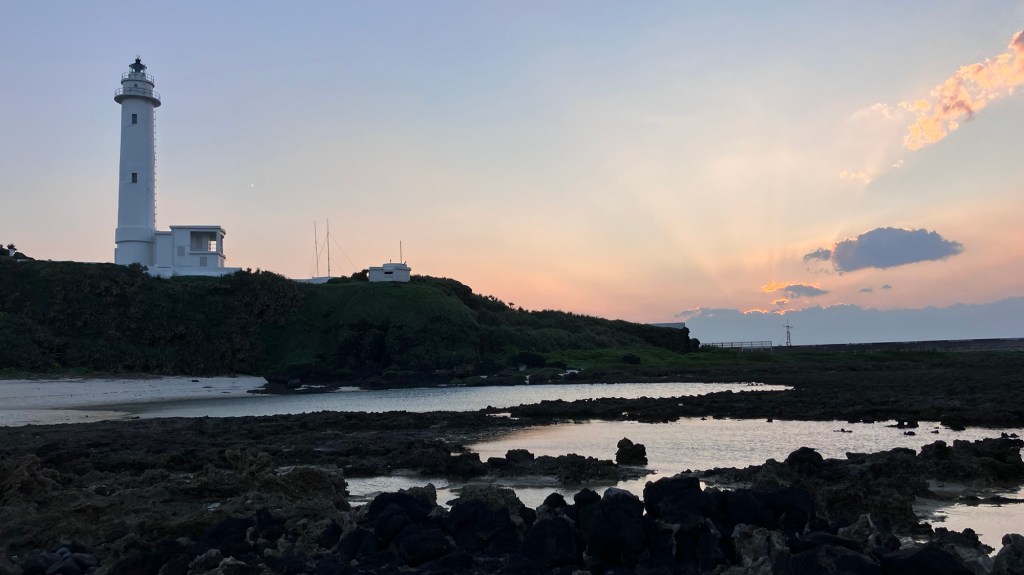
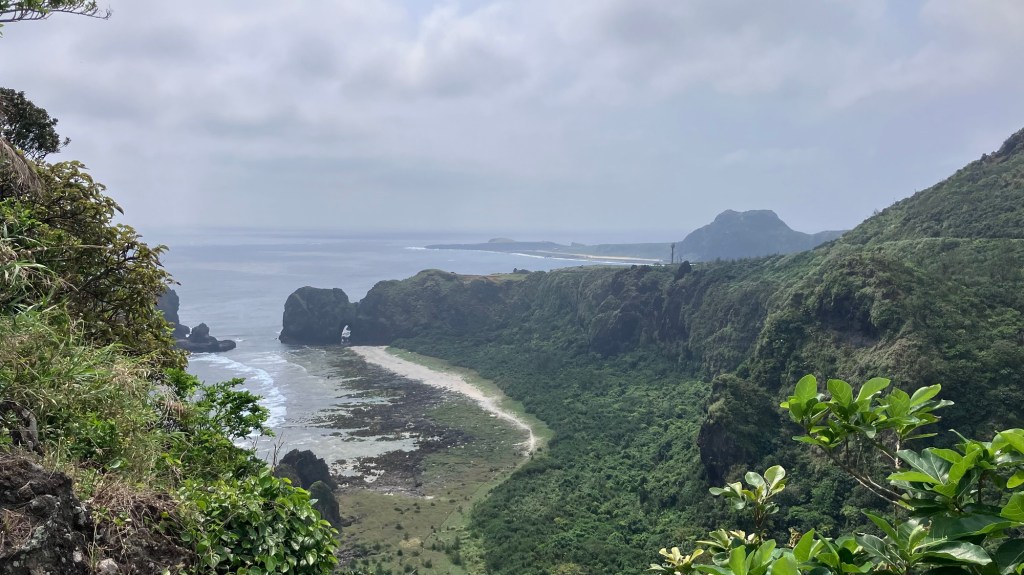
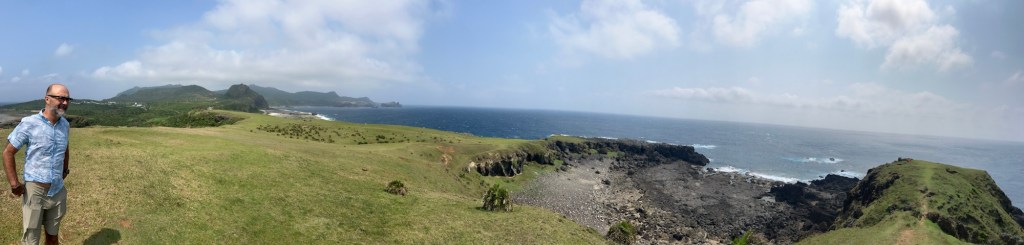
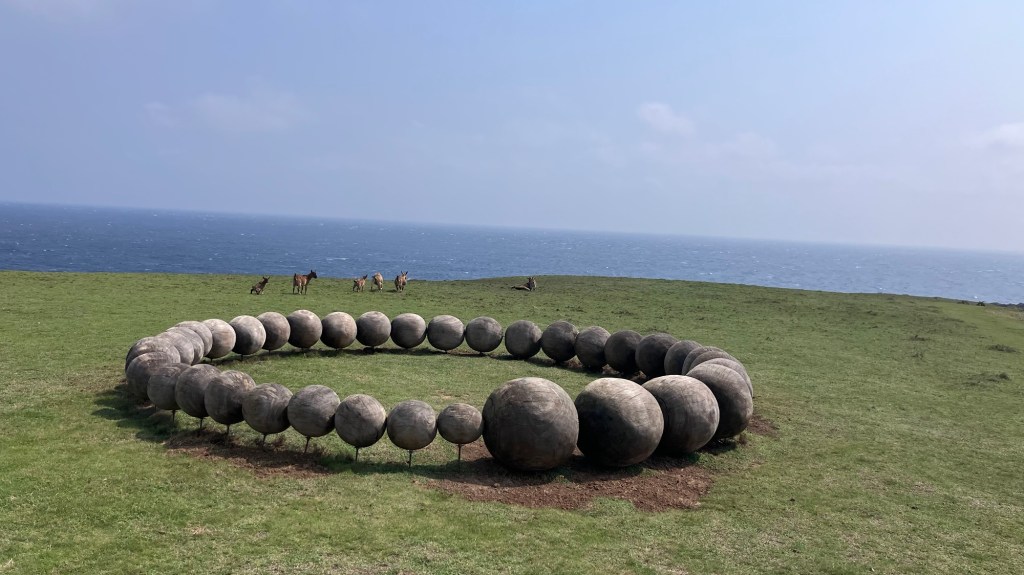
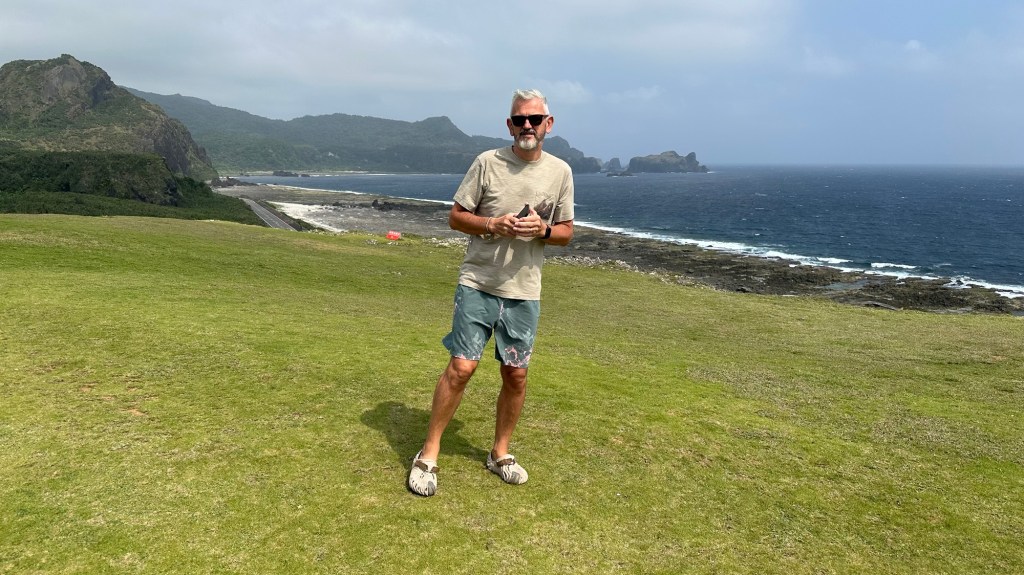
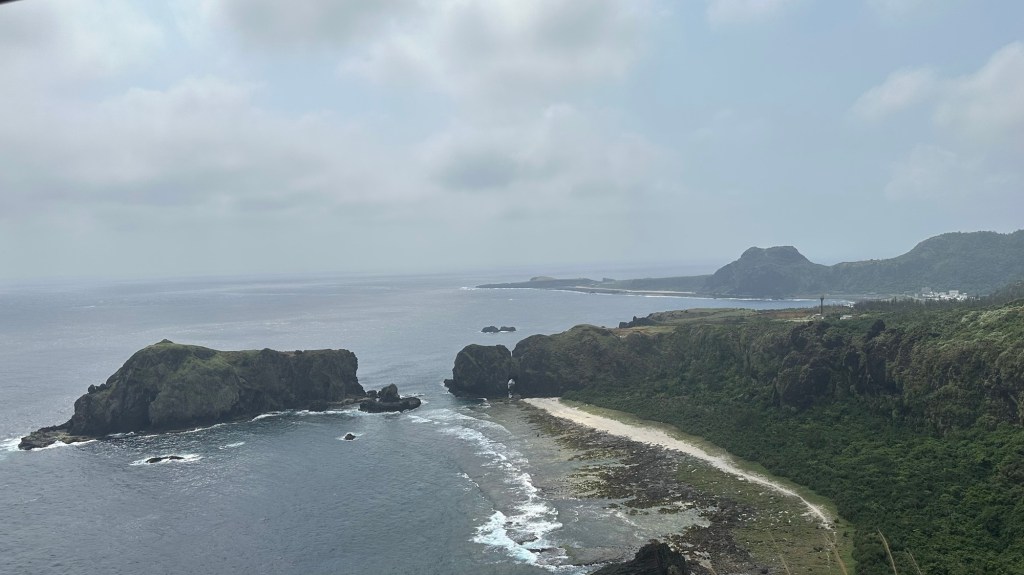
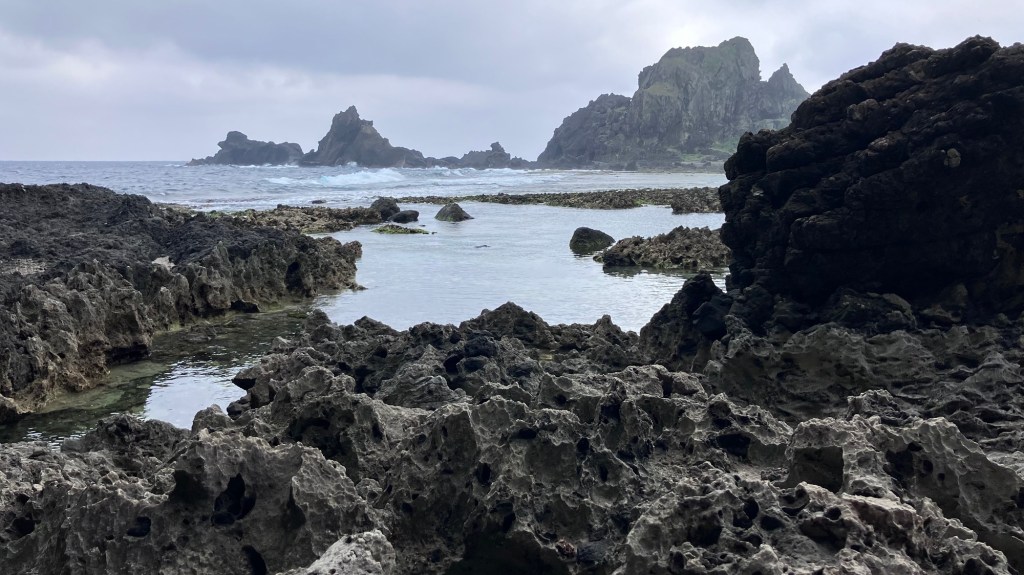
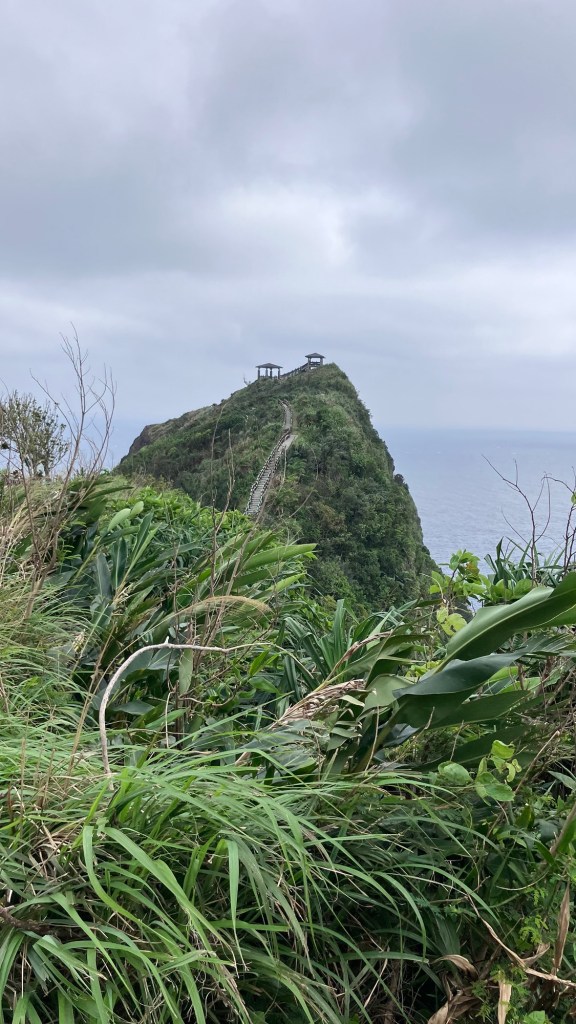
The next morning, we set off to explore the island on a circular route spanning about 38km. Most of the development was concentrated along the narrow strip between the sea and the hills. The coastline itself is incredibly dramatic, characterized by volcanic rock formations that create breathtaking shapes and landscapes.

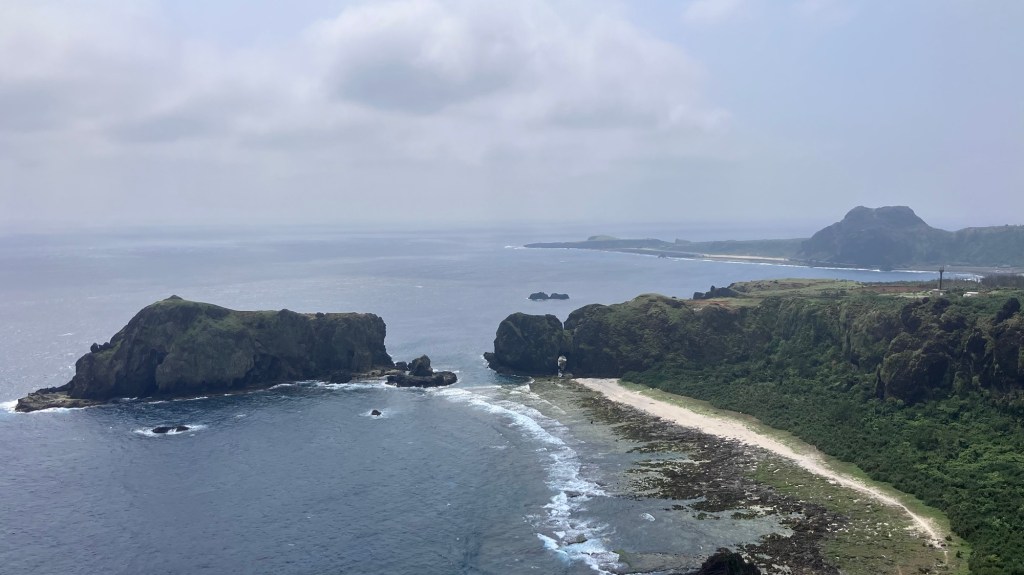
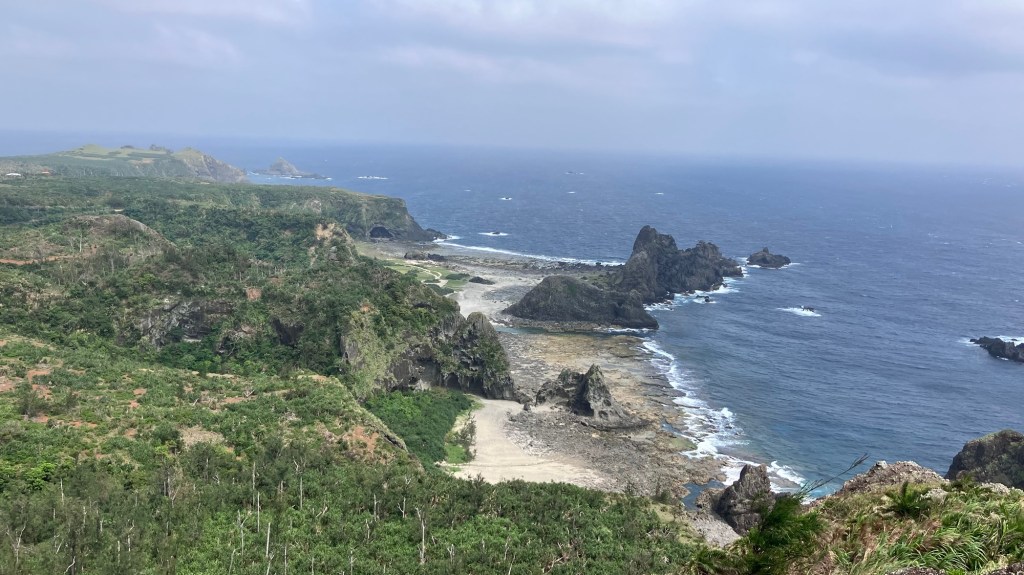
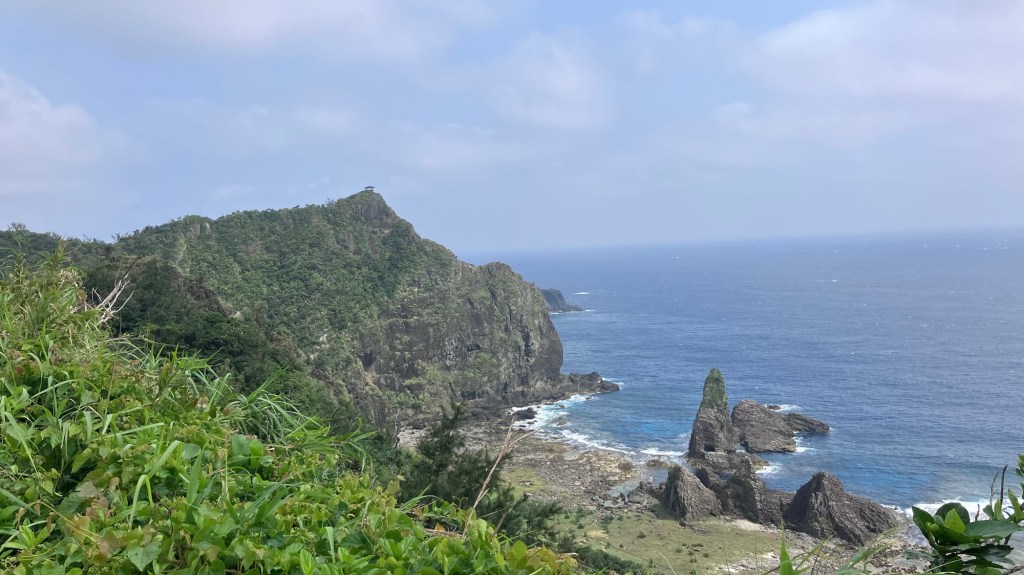
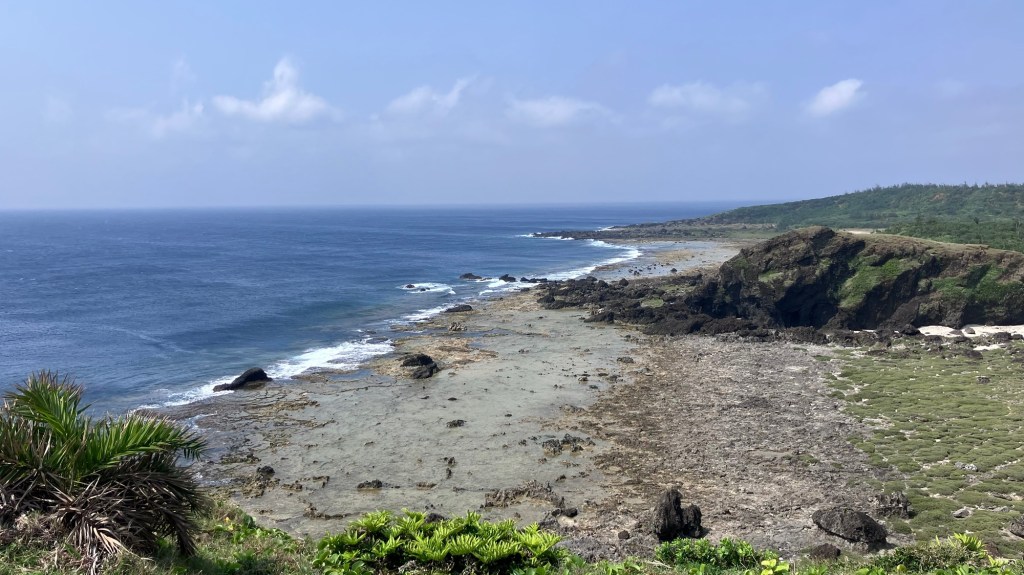
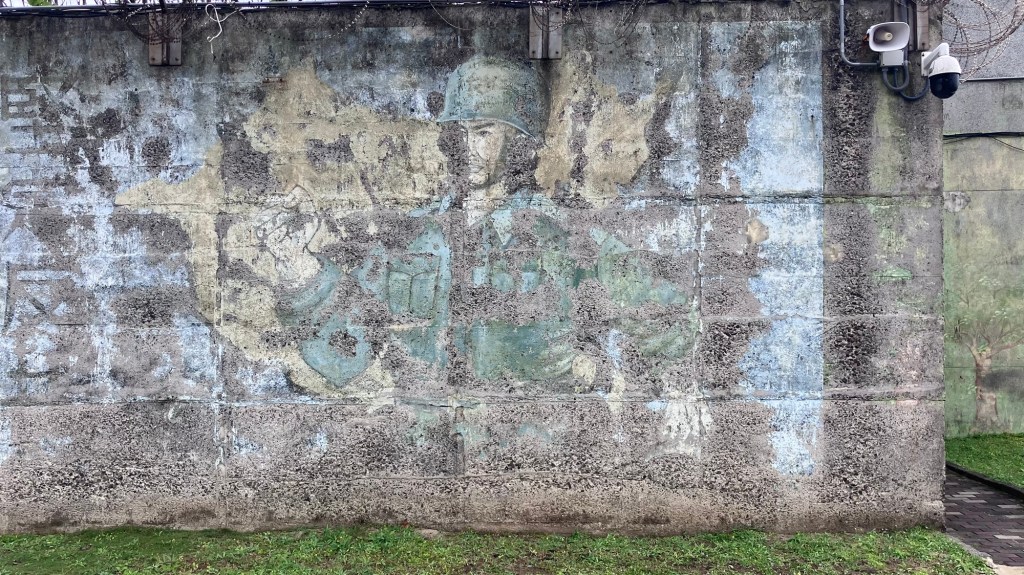
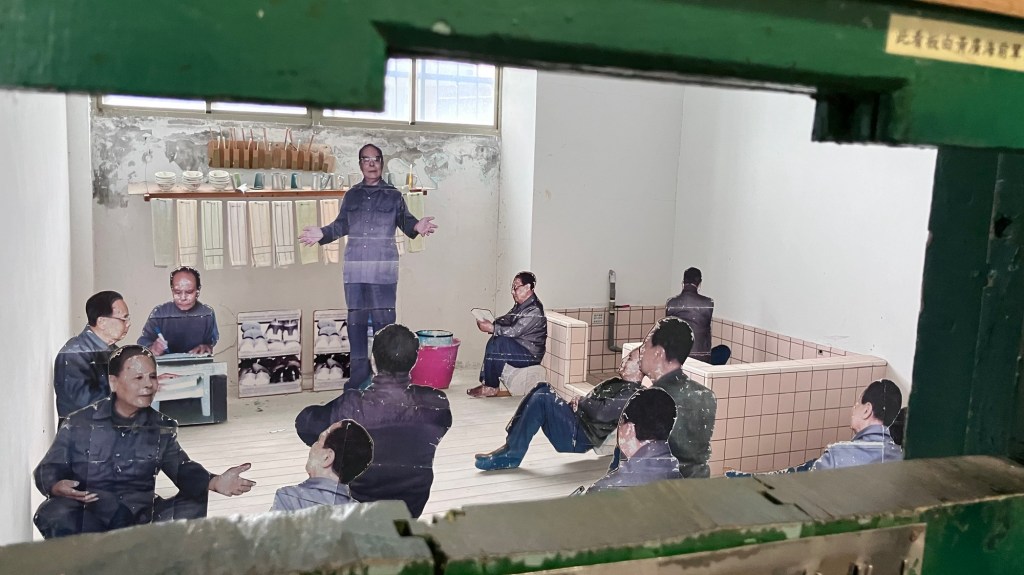
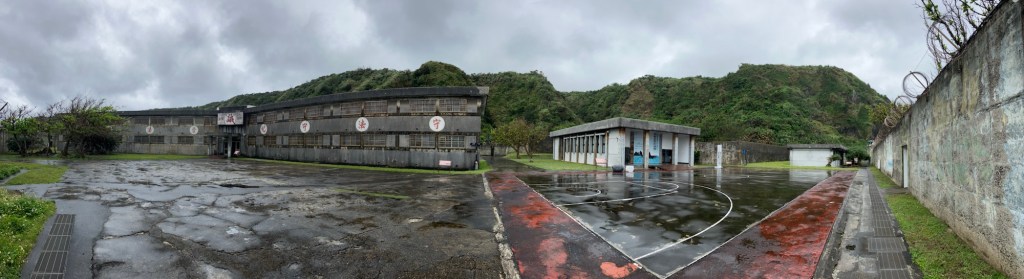
The island had dedicated a significant area to a memorial park/museum commemorating the prison and its history, situated within the original prison complex. It’s been sobering to encounter so many sites throughout Asia dedicated to such brutal histories, and unfortunately, this site was no exception.
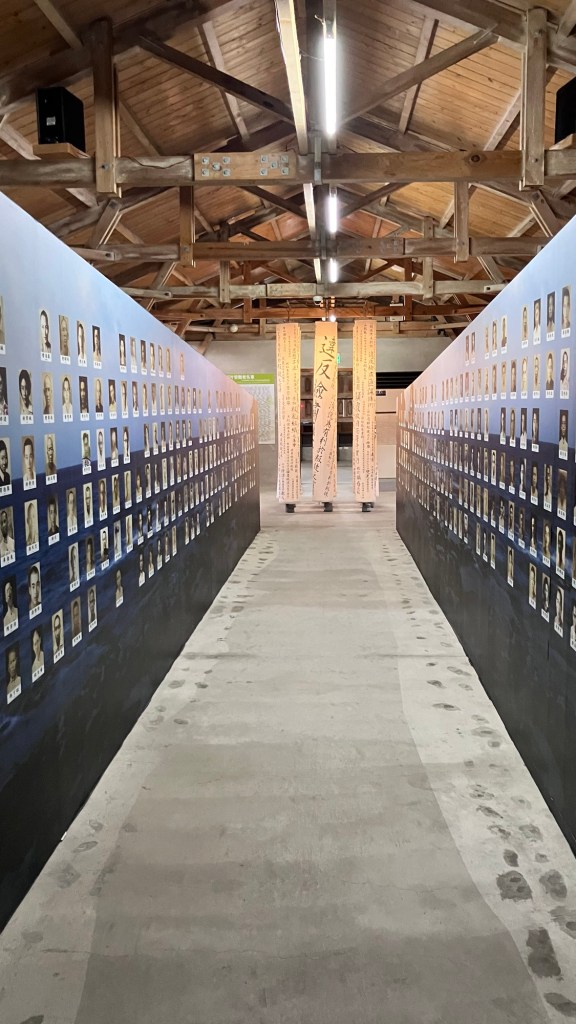
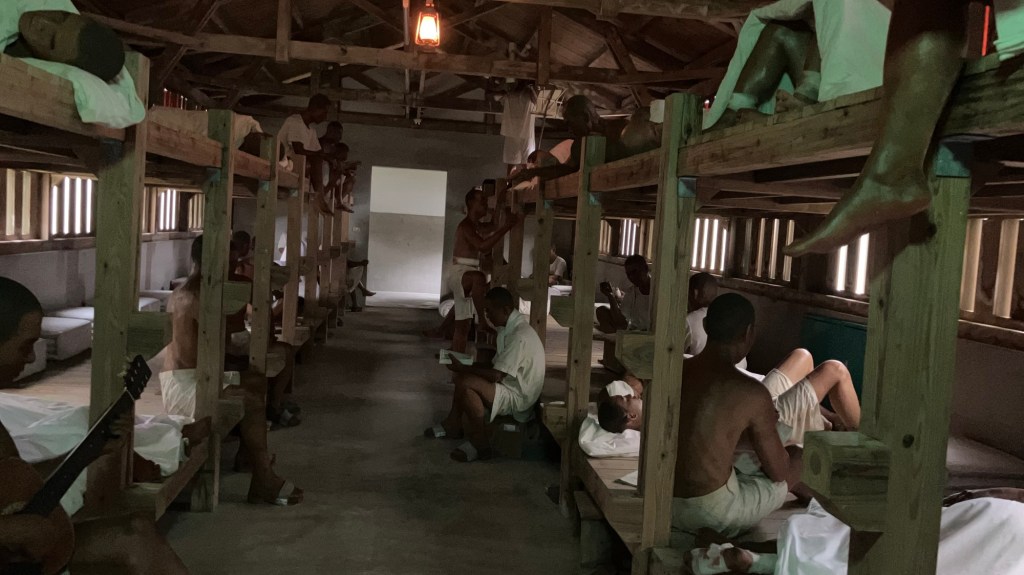
The rocky coastline also boasted a couple of fairly large caves available for exploration. One of them had served as a cremation site for over a thousand political prisoners who either perished or were executed on the island’s prison.
While the scenery was impressive, it was also another reminder of the island’s history.
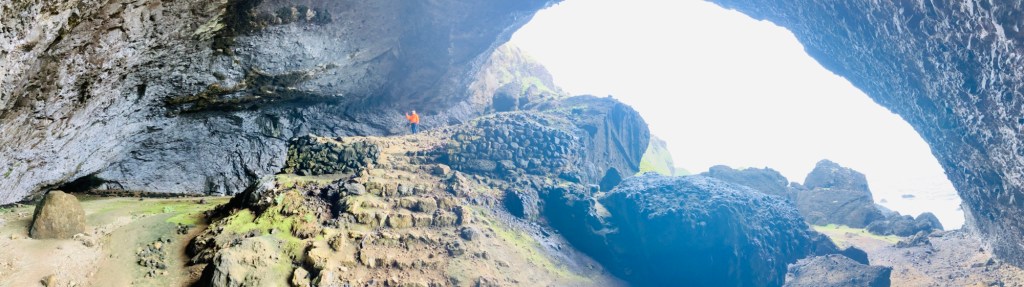
The second cave was huge, can you spot Richard!
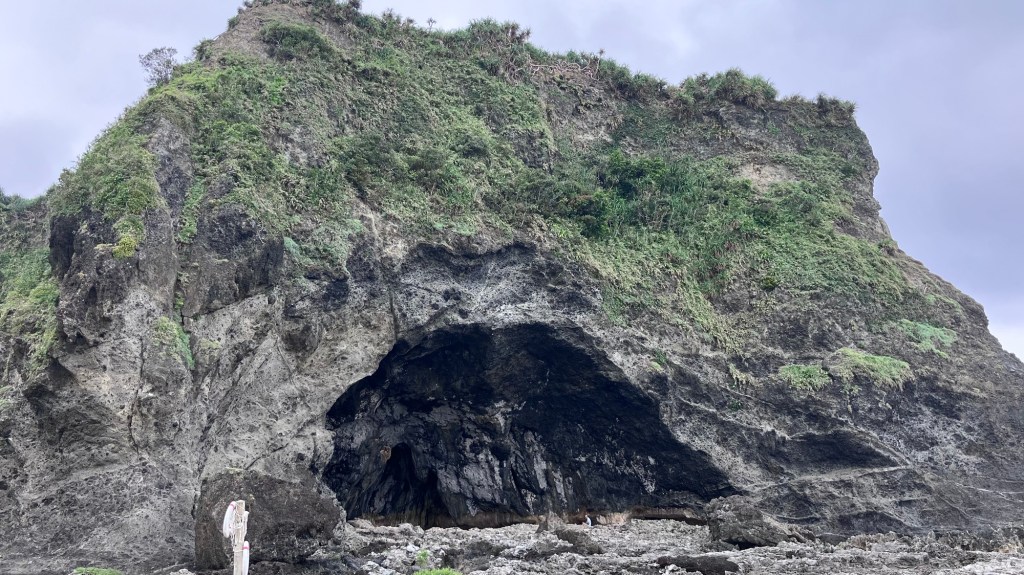
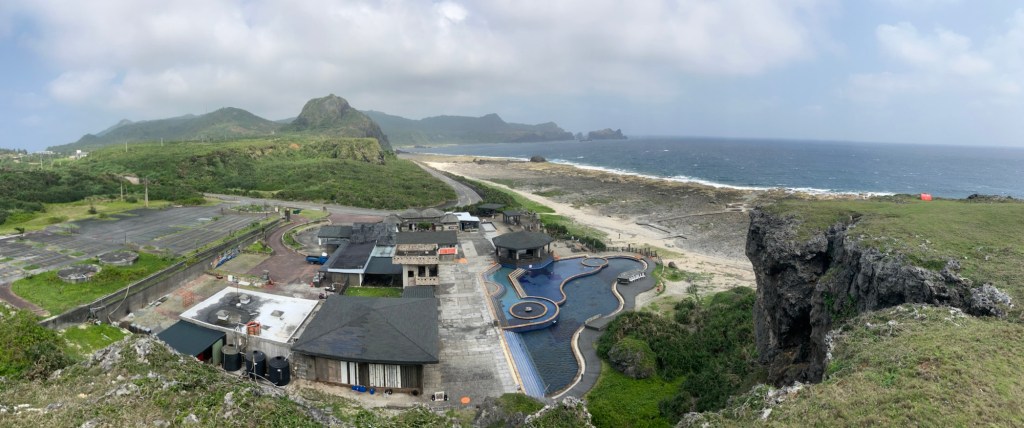
The main reason though for coming to the island was the hot springs, which were only open in the evenings.
It turned out to be the perfect time, as the weather grew colder, and sitting outside in the hot water became incredibly relaxing.
We are half way through our tour of Taiwan, Part 2 to follow……


Thanks for sharing, Taiwan looks amazing. Stay safe x
LikeLike
Love reading your blog! What an amazing thing you two are doing. Love ya!!
LikeLike